
Anniversary trip planning is the process of organizing a personalized, romantic travel experience that reflects a couple's shared history, values, and milestone significance. The best anniversary trip planning best practices combine early booking, shared decision-making, intentional pacing, and personal touches that go far beyond a standard vacation. Experts recommend starting the planning process at least 3–6 months in advance, with high-end or peak-season trips requiring 6–9 months of lead time. That timeline gives you real options, not leftovers.
1. What are the best practices for anniversary trip planning?
Anniversary trip planning best practices follow a clear workflow: start early, align on expectations, personalize every layer, and pace the itinerary for romance rather than efficiency. Couples who treat the trip as a project with defined steps consistently report less stress and more satisfaction. The practices below cover each stage of that workflow, from the first calendar check to the final surprise touch.

2. How far in advance should you book your anniversary trip?
Booking timelines are the single most overlooked factor in anniversary travel. Experts recommend booking at least 3–6 months ahead for most destinations. That window gives you access to the best room categories, flight prices, and experience slots before they sell out.
For milestone anniversaries, like a 10th, 25th, or 50th, the timeline extends further:
- Hotels and resorts: Book 6–9 months out for popular periods or high-end properties.
- Signature restaurants: Reserve 2–3 months in advance, especially for Michelin-starred dining.
- Flights: Lock in tickets 3–6 months ahead for the best combination of price and seat selection.
- Unique experiences: Private tours, yacht charters, and spa retreats often have limited availability. Book these as early as the hotel.
Pro Tip: Shifting your travel dates by one or two weeks around the actual anniversary can open up better hotel availability and lower flight prices. The celebration is about the two of you, not the calendar.
3. How to use a shared decision-making scorecard
Choosing a destination together is where many couples hit their first friction point. One partner wants a beach; the other wants a city. A shared decision scorecard cuts through that tension with a simple, structured method.
Rate each destination or trip option on four categories:
- Budget fit: Does this option work within your agreed spending range without stretching uncomfortably?
- Emotional impact: How meaningful or exciting does this feel to both of you on a scale of 1–10?
- Logistical ease: How complex is the travel, visa process, or time zone adjustment?
- Surprise factor: Does this destination or experience feel special and different from your usual trips?
Using a shared scorecard helps couples align expectations by making preferences visible and comparable. Each partner weights the categories based on personal priorities, then scores two or three options. The highest combined score wins, and both partners feel heard in the process.
Pro Tip: Build three scenarios before scoring: a low-key weekend getaway, a mid-range week-long trip, and a full luxury experience. Scoring all three gives you a clear picture of what you actually want versus what sounds good in theory.
This method also builds trust. When both partners contribute to the decision, neither person carries the full weight of planning, and neither feels like a passive passenger on the trip.
4. How to balance your itinerary between planned events and free time
Over-scheduling is the most common mistake couples make on anniversary trips. Luxury travel experts recommend contrasting full celebration days with slow, unplanned mornings. That contrast is what makes the trip feel like a real escape rather than a checklist.
A well-paced anniversary itinerary looks something like this:
- Mornings: Slow starts with room service, a walk, or a spa treatment. No alarms, no rushing.
- Afternoons: One planned activity per day, whether that's a cooking class, a boat tour, or a museum visit.
- Evenings: A signature dinner or celebration event, followed by time to simply enjoy each other's company.
"Milestone anniversaries should focus on savoring shared experiences aligned with the couple's current lifestyle rather than checking boxes or flashy events." — Best Life Travel
The goal is depth, not volume. Two or three genuinely memorable moments beat seven rushed activities every time. Couples who prioritize pacing over programming consistently describe their trips as more romantic and more restful.
Pro Tip: Schedule one completely unplanned afternoon in the middle of your trip. No reservations, no agenda. Walk somewhere new, find a café, and let the day unfold. Those unscripted hours often become the stories you tell for years.
5. Personalizing your anniversary trip from room selection to surprise touches
Personalization separates a good trip from an unforgettable one. The details you communicate before arrival determine how much the property can do for you. Generic online bookings deliver generic rooms. Direct contact delivers something tailored.
Here is how to personalize at every layer:
- Contact the hotel directly. Calling or emailing the property lets you request specific room types with privacy, preferred views, and natural light. Online booking platforms rarely surface these options.
- Disclose the milestone early. Mentioning the anniversary at the time of inquiry, not at check-in, gives the hotel time to arrange personalized amenities. Think preferred snacks, a welcome bottle, or a room setup that reflects the occasion.
- Incorporate shared passions. If you both love wine, build a tasting into the itinerary. If hiking is your thing, find a destination where a sunrise trail is part of the experience. The trip should feel like it was designed for your relationship specifically.
- Plan one private surprise. A handwritten note, a small gift tied to a shared memory, or a reservation at a restaurant from your early dating years adds emotional weight that no luxury upgrade can replicate.
- Use AI trip planners effectively. Front-loading your milestone year, total budget, and any privacy or crowd-avoidance preferences into an AI planner produces tailored, usable itinerary suggestions. Without those details, AI outputs generic destination lists that could apply to anyone.
Pro Tip: When using Planytera's AI planner, include your dietary preferences, preferred pace, and any must-avoid experiences in your first prompt. The more specific you are upfront, the more the itinerary reflects your actual relationship rather than a travel brochure.
Key takeaways
The most memorable anniversary trips share one quality: they are built around the couple, not around the destination. Early planning, shared decisions, intentional pacing, and personal details are what make the difference.
| Point | Details |
|---|---|
| Start planning early | Book hotels 6–9 months ahead for peak periods; flights and experiences 3–6 months out. |
| Use a decision scorecard | Rate options on budget fit, emotional impact, logistical ease, and surprise factor together. |
| Pace for romance, not efficiency | Limit planned activities to one per day and protect slow mornings for genuine rest. |
| Personalize through direct contact | Call the hotel before arrival to request specific rooms and disclose the milestone early. |
| Front-load AI prompts with specifics | Include milestone year, budget, and preferences upfront for tailored itinerary results. |
Why planning structure makes anniversary trips feel effortless
There is a version of anniversary travel that couples describe as exhausting. They booked too late, packed too much in, and spent the trip managing logistics instead of each other. I have seen this pattern repeat across countless trip stories, and the cause is almost always the same: the planning was reactive instead of intentional.
The couples who come back saying "that was the best trip of our lives" did something different. They started early, made decisions together, and built in space for the trip to breathe. They did not try to see everything. They picked two or three things that genuinely mattered to them and let the rest of the days unfold.
What surprises people is how much the pre-trip process shapes the experience itself. When both partners contribute to the decision scorecard, they arrive already excited and aligned. When the hotel knows about the milestone in advance, the welcome feels personal rather than accidental. These are not luxury upgrades. They are the result of a few deliberate steps taken weeks before departure.
Flexibility matters just as much as structure. The couples who hold their itineraries loosely, willing to skip a planned excursion if the morning calls for staying in bed, tend to describe their trips as more romantic. The plan gives you a foundation. What you do with it is the actual trip.
— Dom
How Planytera helps you plan your perfect anniversary trip
Planning a personalized anniversary trip takes time, coordination, and a lot of tabs open at once. Planytera does the heavy lifting for you. Its AI planner generates tailored day-by-day itineraries based on your budget, pace, dietary needs, and privacy preferences, ready in moments instead of hours.
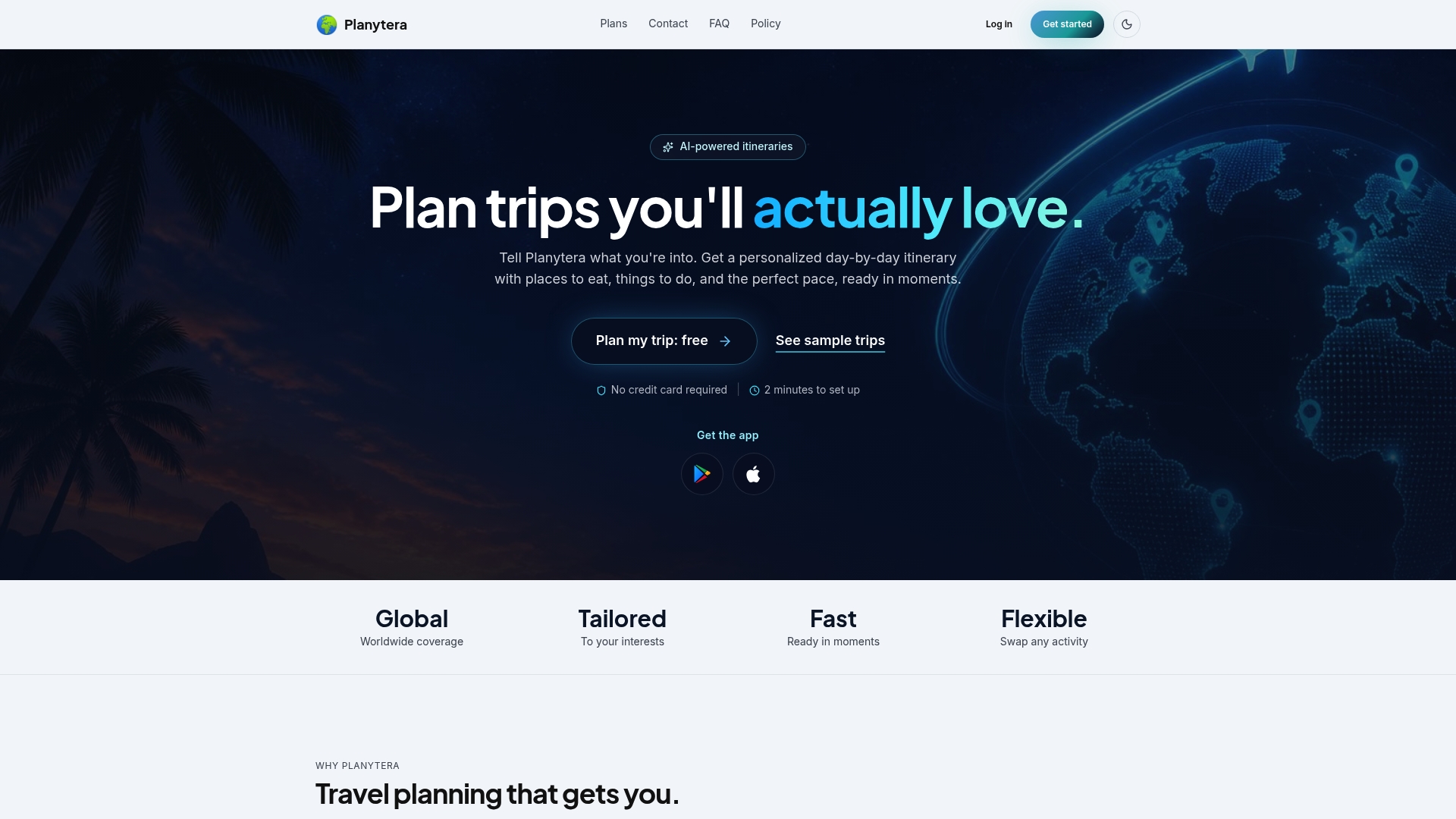
You can adjust the itinerary on the fly as your plans evolve, access it offline, and use the built-in journal to capture memories as they happen. Want to see what a personalized anniversary itinerary actually looks like? Browse sample trips or check out Planytera's subscription plans to get started with your own.
FAQ
How far in advance should you plan an anniversary trip?
Experts recommend planning 3–6 months ahead for most anniversary trips, and 6–9 months for high-end properties or peak travel periods. Signature restaurants should be reserved 2–3 months in advance.
What is a decision scorecard for anniversary trip planning?
A decision scorecard is a shared rating tool where couples score destination options on budget fit, emotional impact, logistical ease, and surprise factor. This method aligns expectations and reduces conflict in the planning process.
How many activities should you plan per day on an anniversary trip?
One planned activity per day is the recommended limit. Luxury travel experts advise contrasting celebration events with slow, unstructured mornings to maintain romance and reduce fatigue.
How do you personalize an anniversary hotel stay?
Contact the hotel directly before arrival to request specific room types and disclose the milestone. Early disclosure gives properties time to arrange personalized amenities rather than generic welcome gestures.
How do you get better results from an AI anniversary trip planner?
Front-load your prompts with the milestone year, total budget, and any privacy or crowd-avoidance preferences. Without those specifics, AI planners return generic suggestions that do not reflect your relationship or travel style.