
Accommodation is the single most powerful variable in any romantic itinerary. Where you and your partner sleep, unwind, and reconnect sets the tone for every other moment on the trip. The role of accommodation in romantic itineraries goes far beyond a bed and a view. The right lodging reduces friction, protects privacy, and gives your relationship room to breathe. Get it wrong, and even the most beautiful destination feels like a missed opportunity. Get it right, and the entire trip clicks into place.
What makes accommodation central to romantic itineraries?
Accommodation acts as the anchor of any romantic trip. It is the place you return to after a long day of exploring, the space where real conversations happen, and the environment that either supports or undermines intimacy. A noisy room in a busy hotel can undo a perfect dinner. A private villa with a plunge pool can make an ordinary Tuesday feel extraordinary.
The industry term for this concept is lodging experience design, which refers to how physical and operational features of a property shape a guest's emotional state. For couples, this matters more than for any other traveler type. Your accommodation for couples is not just a logistical checkbox. It is the emotional container for the entire trip.
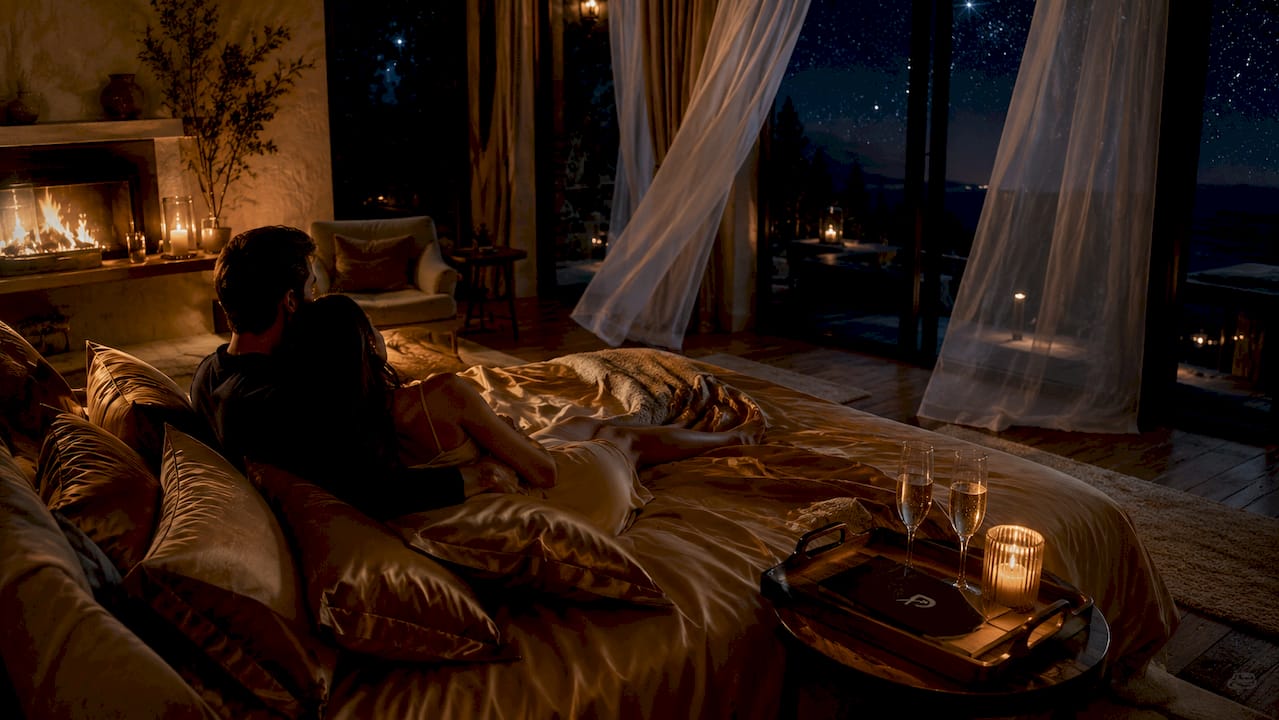
Romantic getaway lodging works best when it reduces the small irritants that erode connection. Thin walls, shared facilities, inflexible check-in times, and poor location all create low-grade stress. That stress accumulates. Noise control and proximity to key activities directly affect a couple's ability to relax and stay connected throughout the day. This is why location and soundproofing matter more than a complimentary bottle of sparkling wine.
What core features make lodging genuinely romantic?
Most couples assume romance packages deliver romance. They rarely do. A turndown service with rose petals is a surface-level gesture. The features that actually create intimacy are quieter and more functional.
Noise control, private seating areas, and thoughtful bathroom layouts influence romantic satisfaction more than superficial perks. A deep soaking tub in a well-lit bathroom creates a shared ritual. A private terrace with comfortable seating gives you a place to talk without an audience. These are the details that matter.
The features that genuinely support intimate stays include:
- Soundproofing that blocks noise from neighboring rooms and hallways
- Climate control that lets both partners set a comfortable temperature without negotiation
- Room size large enough to move around without feeling cramped
- Private outdoor space such as a balcony, terrace, or plunge pool
- Bathroom design with a tub or rainfall shower that invites lingering
- Lighting options that allow you to shift from bright and functional to warm and ambient
- Location close enough to activities that you are not spending hours in transit
Couples-only properties and private plunge pools consistently rate higher for romantic satisfaction because they eliminate external interruptions. Shared pools, crowded lobbies, and communal dining rooms all pull attention outward. Private amenities pull it back toward each other.
Pro Tip: Skip the romance package add-ons and put that budget toward a room upgrade instead. A larger room with a private balcony will do more for your connection than a fruit basket and a card.

How do different accommodation types support varied romantic goals?
The best accommodation for couples is the one that matches your intended trip rhythm, not the one with the most stars or the best Instagram photos. Selection should be based on desired trip rhythm rather than property ratings or popularity.
The three major lodging categories each serve a different romantic purpose.
| Accommodation type | Best for | Trade-off |
|---|---|---|
| Resort or luxury hotel | Pampering, ease, and structured relaxation | Less privacy, more crowds |
| Homestay or boutique inn | Local flavor, authenticity, and personal touches | Fewer amenities, variable quality |
| Private villa or secluded retreat | Autonomy, exclusivity, and uninterrupted time together | Higher cost, more self-catering |
Resorts work well for couples who want everything handled. Meals, activities, and spa treatments are all on-site. The trade-off is that you share the space with other guests, which can dilute the sense of seclusion. Luxury hotels for romance deliver comfort and service, but privacy depends heavily on the specific property and room category.
Homestays and boutique inns offer a different kind of intimacy. You feel embedded in a place rather than insulated from it. This suits couples who connect through shared discovery and local experience. The risk is inconsistency. A charming listing can hide thin walls and a noisy street.
Private villas and secluded retreats are the strongest choice for couples who want complete autonomy. You set the schedule, control the environment, and have no obligation to interact with anyone else. Booking flexible accommodations with private amenities minimizes interruptions and lets couples shape their time together spontaneously. The cost is higher, but the return in uninterrupted connection is significant.
Couples often regret booking based on social media or past habit rather than aligning their choice with actual trip goals. The best romantic retreats are the ones that fit your relationship, not the ones that photograph well.
How does budget alignment affect romantic trip harmony?
Budget disagreements are one of the most common sources of pre-trip friction for couples. The root cause is almost never money itself. It is mismatched values around how money should be spent.
Couples regularly allocate different percentages of their budget to accommodation versus activities, and that gap is a leading cause of tension before the trip even begins. One partner wants to splurge on a beautiful hotel and keep activities simple. The other wants a budget-friendly base and to spend freely on experiences. Neither is wrong. But without a direct conversation, both feel unheard.
A practical approach to budget alignment works in four steps:
- List your non-negotiables separately. Each partner writes down the two or three things they absolutely want from the trip, without consulting each other first.
- Compare and identify overlaps. Where your lists align, spend freely. Where they diverge, negotiate.
- Allocate a lodging budget as a fixed line item. Treat it like a bill, not a variable. This prevents last-minute upgrades that blow the overall budget.
- Build a buffer for spontaneous upgrades. A small reserve fund lets you say yes to an unexpected opportunity without guilt or conflict.
Travel couples who proactively reconcile budget priorities around lodging versus experience report smoother itineraries and higher overall satisfaction. The conversation is uncomfortable for about ten minutes. The payoff lasts the entire trip.
Pro Tip: Use a shared document or a tool like Planytera's budget planning features to map out your lodging allocation before you start browsing properties. Seeing the numbers together removes a lot of the emotional charge.
How does accommodation shape the pace of a romantic trip?
The right lodging does not just shelter you. It actively shapes how freely and comfortably you move through each day. A well-located, flexible property gives you options. A poorly chosen one turns every morning into a logistical problem.
Flexible accommodation policies like late check-out, easy transfers, and reliable room service reduce stress and protect the relaxed atmosphere that romantic connection requires. When you know you can sleep in without a 10:00 AM checkout panic, the whole trip feels different. That ease is not a luxury. It is a condition for genuine relaxation.
The impact of lodging on romance shows up most clearly in how couples spend their unplanned time. Consider how different lodging features change the shape of a typical day:
| Lodging feature | Effect on daily rhythm |
|---|---|
| Late check-out available | Mornings feel unhurried and intimate |
| On-site dining | Removes the pressure of finding breakfast before exploring |
| Private outdoor space | Creates a natural wind-down ritual at the end of the day |
| Central location | Reduces transit time and decision fatigue |
| Reliable Wi-Fi and air conditioning | Eliminates background irritants that erode mood |
Cozy stays for couples work best when the property itself becomes part of the experience rather than just a backdrop. A cabin with a fireplace in the mountains, a riad with a rooftop terrace in Marrakech, or a beachfront bungalow with direct water access all give you built-in activities that require no planning. You and your partner can simply be present.
Couples can explore destinations at a relaxed pace when their accommodation supports privacy and comfort. That relaxed pace is where real connection happens. It is not manufactured by a romance package. It grows from having enough space, quiet, and time to actually be together. For more on how travel pace affects couples, the dynamic between lodging and daily rhythm is worth thinking through before you book.
Key Takeaways
The accommodation you choose for a romantic trip directly determines the level of privacy, comfort, and connection you and your partner will experience throughout the stay.
| Point | Details |
|---|---|
| Lodging is the trip anchor | Accommodation sets the emotional tone and pace for every other romantic experience. |
| Function beats decoration | Soundproofing, private space, and flexible policies matter more than romance package extras. |
| Match type to trip rhythm | Choose resorts for ease, homestays for discovery, and private villas for full autonomy. |
| Budget alignment prevents friction | Discuss lodging versus activity spending before browsing properties to avoid pre-trip tension. |
| Flexibility protects connection | Late check-out and on-site amenities give couples unplanned time that deepens intimacy. |
What I've learned from watching couples get accommodation wrong
Most couples I have observed make the same mistake. They book the property that looks best in photos and then wonder why the trip felt rushed or tense. The room was beautiful. The experience was not.
Prioritizing aesthetics over friction-reducing features like soundproofing, location, and flexible policies is the most common romantic lodging mistake. A stunning room on a noisy street, with a rigid check-out time and no private outdoor space, will underperform a modest room that is quiet, well-located, and gives you a private balcony to share a coffee on.
The second mistake is booking to impress. Couples choose properties based on what they think the trip should look like rather than what they actually need from it. Accommodation should be a tool that supports the trip's intended experience, not a status symbol or a social media backdrop.
My honest advice: prioritize privacy, location, and flexibility above everything else. Then let the trip surprise you. The best romantic moments I have heard couples describe almost always happen in the in-between spaces. A slow morning on a private terrace. A late-night conversation with no one else around. Those moments need the right container. Give them one.
— Dom
How Planytera helps couples plan the perfect romantic stay
Choosing the right accommodation is easier when your entire itinerary is built around it from the start. Planytera's AI-powered trip planner does exactly that. It factors in your budget, travel pace, and personal preferences to generate a day-by-day plan where lodging and activities actually fit together.

You can browse sample romantic itineraries to see how accommodation choices shape the full trip experience, or explore subscription options for ongoing planning support. Planytera handles the heavy lifting so you and your partner can focus on each other. Visit Planytera to build your personalized romantic itinerary today.
FAQ
What is the role of accommodation in romantic itineraries?
Accommodation acts as the anchor of a romantic trip by providing privacy, comfort, and a stress-free base that supports genuine connection. The right lodging reduces friction and shapes the pace of every day on the trip.
What features matter most in romantic getaway lodging?
Soundproofing, private outdoor space, flexible check-out policies, and a well-designed bathroom matter more than romance package extras. These functional features protect intimacy and reduce the small irritants that erode connection.
Which accommodation type is best for couples?
The best type depends on your trip goals. Resorts suit couples who want ease and pampering, private villas suit those who want full autonomy, and boutique homestays suit couples who connect through local discovery.
How does budget alignment affect romantic travel?
Mismatched spending priorities around lodging versus activities are a leading cause of pre-trip tension. Couples who discuss and agree on a fixed lodging budget before browsing properties report smoother, more satisfying trips.
Does late check-out really improve a romantic trip?
Yes. Flexible accommodation policies like late check-out remove time pressure from mornings, which are often the most intimate and unhurried part of a romantic stay.