
Upsell travel experiences itinerary planning is the process of embedding personalized, contextually relevant enhancements into travel itineraries to elevate traveler satisfaction and maximize trip value. Done well, it turns a standard booking into a memorable trip that clients talk about for years. The industry term for this practice is "experiential upselling," and it sits at the intersection of custom travel planning and service design. Contextual destination content placed precisely within an itinerary boosts both revenue and client loyalty. Planners who master this skill see stronger repeat bookings and referrals, not just higher average order values.
What tools and data do you need for effective upsell travel experiences?
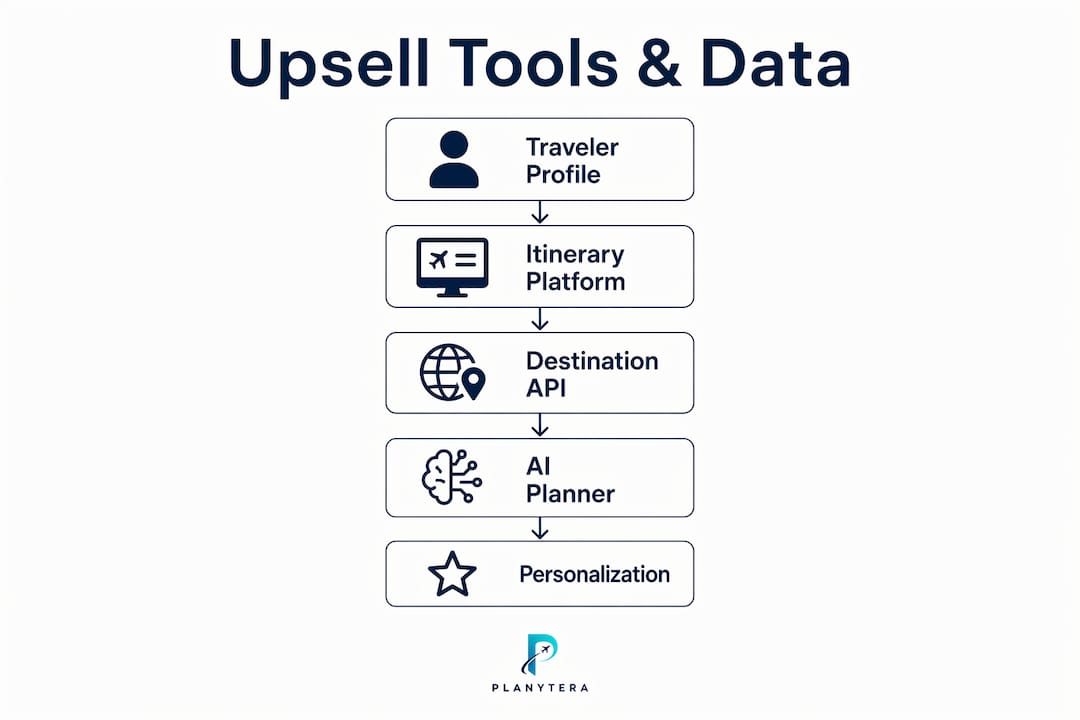
The right tools make experiential upselling repeatable, not accidental. You need three things working together: a flexible itinerary platform, rich destination content, and traveler profile data.
Itinerary platforms that support day-by-day editing let you place add-on travel services exactly where they fit. A private airport transfer belongs on arrival day. A cooking class belongs on a free afternoon. Without a structured, editable itinerary, upsells end up as a separate list, and detached upsell lists consistently underperform compared to contextual placement.

Destination content APIs pull in local experiences, event schedules, and venue details automatically. This keeps your itinerary suggestions current and relevant without hours of manual research. Pair that with a solid traveler profile, covering pace preferences, dietary needs, budget range, and travel passions, and you have the raw material for offers that feel personal rather than generic.
| Tool category | Primary use | Upsell benefit |
|---|---|---|
| AI itinerary planner | Day-by-day plan generation | Places add-ons in the right context automatically |
| Destination content API | Local experience data | Keeps suggestions current and location-specific |
| Traveler preference profile | Personalization inputs | Matches offers to individual interests and budget |
| Lifestyle navigator (AI) | Real-time perk recommendations | Delivers targeted discounts and exclusive access |
| Booking and payments integration | Transaction processing | Reduces friction at the point of upsell acceptance |
Understanding traveler preference categories is the foundation. A family traveling with young children needs different upsells than a couple on a culinary trip. Getting that distinction right is what separates a planner from a booking agent.
How do you embed upsells into an itinerary without feeling pushy?
The single biggest mistake planners make is presenting upsells too early. Timing upsell offers after core components like flights and accommodation are confirmed gives clients a sense of financial grounding. At that point, they are far more open to investing in memorable experiences.
Here is a practical sequence for embedding travel experience enhancements without pressure:
- Confirm the core itinerary first. Lock in flights, hotels, and transfers before mentioning any upgrades. Clients need to feel settled before they consider extras.
- Map open windows in the daily plan. Look for free afternoons, long layovers, or arrival evenings with no activity. These are your natural upsell slots.
- Write the upsell into the day's narrative. Instead of a separate "add-ons" section, describe the experience as part of the day. "On your first evening in Florence, you have the option of a private after-hours tour of the Uffizi Gallery, reserved exclusively for your group."
- Use a good-better-best comparison. Show three tiers: a standard shared tour, a small-group experience, and a fully private option. Comparison-based upselling that highlights experiential benefits drives higher willingness to pay than price-only methods.
- Focus on the emotional payoff, not the price. Describe what the client will feel and remember, not what they will spend. Private access, unique local moments, and curated experiences are the emotional highlights clients cite when they refer friends.
- Limit offers per itinerary section. One or two well-chosen upsells per day segment feel curated. Five or six feel like a sales catalog.
Pro Tip: Present premium transfers on arrival day before the client has experienced any travel friction. A tired traveler who just landed is far more receptive to a private car than one who has already figured out the subway.
Effective upselling is service-oriented, not pushy. It offers curated access that clients would unlikely find on their own, and it focuses on emotional payoffs rather than aggressive selling. That framing changes everything about how clients receive the offer.
What are advanced personalization techniques to optimize upsell offers?
AI-driven personalization takes experiential upselling from good to genuinely impressive. Mastercard's Lifestyle Navigator, built in collaboration with MakeMyTrip's Myra, shows what next-gen AI integration looks like. It combines payments data, traveler preferences, and destination insights to recommend add-ons that feel genuinely relevant, not algorithmic.
Visa's Destinations platform takes a similar approach, offering location-specific perks and exclusive discounts tied to real-time traveler location and profile data. These platforms prove that the future of premium travel packages is dynamic, not static.
You can apply the same logic at a smaller scale with these best practices:
- Segment by trip type. A solo traveler on a wellness retreat needs spa upgrades and guided meditation hikes. A family on a beach vacation needs kids' activity clubs and snorkeling lessons. Never send the same upsell list to both.
- Use past trip data. If a client booked a private guide last time, lead with private access options this time. Repeat behavior is the strongest signal you have.
- Automate touchpoints throughout the trip. Send a pre-arrival message with a local restaurant reservation offer. Send a mid-trip nudge with a day-trip option for an upcoming free day. Timing matters as much as content.
- Personalize by passion, not just budget. A food-focused traveler will pay a premium for a market tour with a local chef. A history enthusiast will pay for after-hours museum access. Match the offer to the passion, not just the price point.
- Test and refine. Track which upsells get accepted and which get ignored. Adjust your offer mix based on real client responses, not assumptions.
Planytera's AI trip planner builds traveler profiles automatically, pulling in pace preferences, dietary needs, and budget parameters to generate itinerary suggestions that already account for personalization. That foundation makes it far easier to layer in targeted upsells without starting from scratch.
What are the most common pitfalls in upsell travel experience planning?
The most damaging mistake is presenting upsells as a separate list at the end of an itinerary. Impersonal upsell lists reduce effectiveness and often cause outright rejection. Clients read them as an afterthought, not a curated recommendation.
Mistimed offers are the second major pitfall. Proposing a premium safari upgrade before the client has confirmed their base accommodation feels presumptuous. It signals that you are selling, not serving.
Lack of transparency destroys trust fast. If a client accepts a private transfer and later discovers the price was inflated without clear disclosure, you lose that relationship permanently. Clarity on what is included, what it costs, and why it is worth it is non-negotiable.
| Approach | Effective | Ineffective |
|---|---|---|
| Placement | Embedded in daily itinerary context | Listed separately at the end of the document |
| Timing | After core bookings are confirmed | Before flights and hotels are locked in |
| Framing | Emotional benefit and unique access | Price-first or feature-list format |
| Volume | One to two options per day segment | Five or more options per section |
| Transparency | Clear pricing and inclusions upfront | Vague descriptions with hidden costs |
| Personalization | Matched to traveler profile and passions | Generic offers sent to all clients |
Monitor client reactions actively. If a client skips every upsell you offer, ask why. A short follow-up conversation often reveals a budget constraint, a preference mismatch, or a timing issue you can fix next time. Adapting your approach based on real feedback is what separates planners who upsell occasionally from those who do it consistently well.
Key Takeaways
Experiential upselling works best when offers are embedded contextually in the itinerary, timed after core bookings, and matched precisely to traveler profiles and passions.
| Point | Details |
|---|---|
| Context beats lists | Upsells placed within the daily itinerary convert better than separate add-on lists. |
| Timing is everything | Propose premium experiences after flights and hotels are confirmed, not before. |
| Personalization drives acceptance | Match offers to traveler passions, trip type, and past behavior for the best results. |
| Transparency builds trust | Always disclose pricing and inclusions clearly to protect the client relationship. |
| AI tools accelerate personalization | Platforms with AI-driven profiling make it faster to generate relevant, targeted upsell offers. |
Why upselling is really about trust, not tactics
I have watched planners treat upselling as a revenue tactic and fail repeatedly. The clients who accept premium offers consistently are not the ones who were sold to. They are the ones who felt genuinely understood.
The most successful upsell I ever saw was a planner who added a private sunrise boat tour to a couple's Venice itinerary. She did not pitch it. She described it as the one thing she would do if it were her trip. The couple said yes immediately. That single addition became the story they told at every dinner party for two years. It also generated three referrals.
Custom experience upsells are the emotional highlights clients remember and cite when referring others. That is the real return on investment. Not the margin on one booking, but the lifetime value of a client who trusts you completely.
The planners I respect most treat every upsell as a service recommendation, not a sales move. They ask themselves: "Would I genuinely recommend this if I were not being paid for it?" If the answer is yes, they offer it. If the answer is no, they leave it out. That discipline is what keeps clients coming back.
— Dom
How Planytera makes upsell itinerary planning easier
Building personalized itineraries with well-timed upsells used to take hours of research and manual formatting. Planytera changes that.
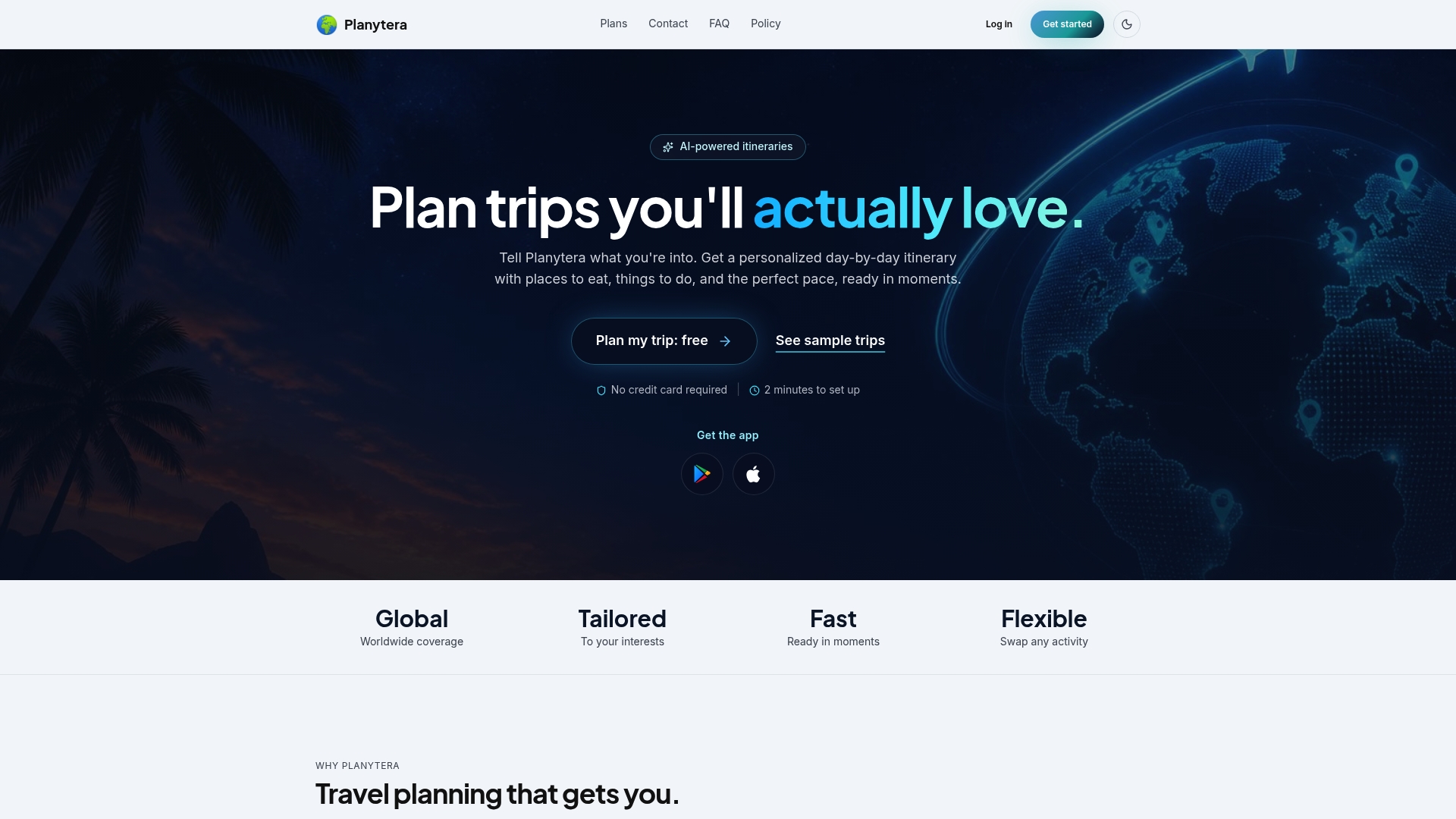
Planytera's AI-powered itinerary platform generates day-by-day travel plans that already account for pace, budget, dietary needs, and traveler preferences. That structure gives you a ready-made framework for placing experience enhancements exactly where they fit. You can browse sample itineraries to see how upsell-ready plans look in practice, then adapt them for your own clients. Planytera's subscription plans give you full access to the platform's personalization tools, offline access, and live guidance features. If you want itineraries that sell, this is where to start.
FAQ
What is experiential upselling in travel planning?
Experiential upselling is the practice of embedding personalized, contextually relevant add-ons into a travel itinerary to increase trip value and client satisfaction. It differs from generic upselling by matching offers to individual traveler profiles and placing them within the natural flow of the daily plan.
When is the best time to present upsell offers to travelers?
The best time is after core bookings like flights and accommodation are confirmed. Clients feel financially settled at that stage and are far more open to investing in premium experiences.
Why do separate upsell lists underperform?
Detached upsell lists feel impersonal and transactional. Clients respond better when offers appear directly within the itinerary context, tied to a specific day and activity, because the relevance is immediately clear.
How does AI improve upsell personalization in itinerary planning?
AI tools analyze traveler preferences, past behavior, and location data to recommend add-ons that match individual interests in real time. Platforms using lifestyle navigator technology can deliver targeted perks and exclusive discounts automatically, reducing the manual work for planners.
What types of experiences work best as travel upsells?
Private tours, premium transfers, exclusive local activities, after-hours venue access, and curated food experiences consistently perform well. These are experiences travelers value highly but would rarely find or book on their own.