
Solo traveler budget planning is the process of building a realistic, individual-specific financial plan that accounts for solo-only costs, daily spending categories, and a buffer for the unexpected. Unlike couple or group travel, solo trips carry a unique financial weight: you pay the full room rate, split no meals, and absorb every transport cost alone. The solo supplement and a 10–15% solo dining premium are two of the most underestimated line items in any solo travel budget. Get these right from the start, and the rest of your planning falls into place.
1. Solo traveler budget planning best practices start with a hard number
Setting a total budget before choosing a destination is the single most effective habit in solo trip budgeting. Most travelers do it backward. They pick a dream destination, then try to make the numbers work. Budget-first planning filters your options rationally and removes the emotional bias that leads to underfunded trips.
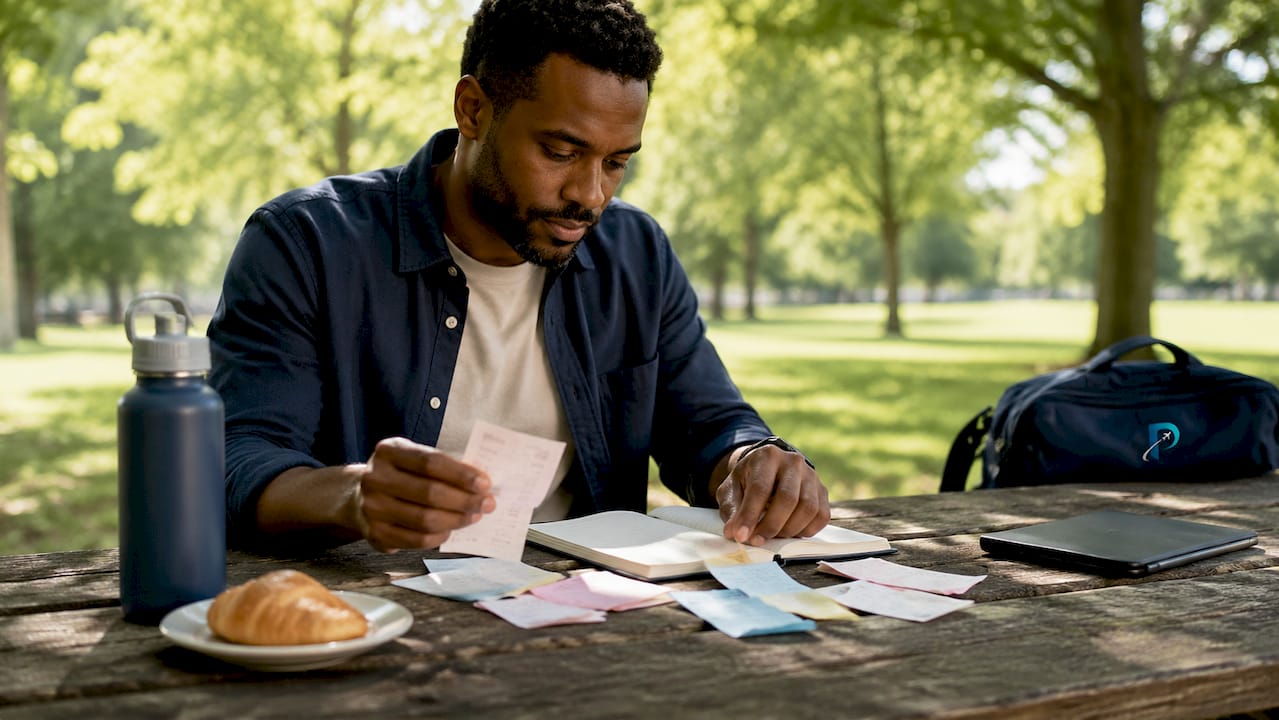
Start with what you can realistically spend, including flights, accommodation, food, transport, activities, travel insurance, and visas. Then add a contingency buffer of 10–25% of your total trip cost for unexpected expenses. That buffer is not optional. Solo travelers have no one to borrow from when things go sideways.
Successful solo budgeters maintain three tiers: a comfortable baseline, a survival mode minimum, and a contingency allocation. Knowing all three gives you flexibility without panic when costs shift mid-trip.
- Fixed costs: Flights, accommodation deposits, travel insurance, visas
- Variable costs: Food, local transport, activities, souvenirs
- Buffer: 10–25% of total budget for emergencies and unplanned expenses
Pro Tip: Use your total budget to filter destinations before you fall in love with one. If your budget is $2,500 for two weeks, Southeast Asia is feasible. Western Europe is not, unless you cut significantly.
2. Breaking down your solo travel budget day plan
Daily solo travel budgets range from $25–$45 in Southeast Asia to $165–$200 in Western Europe, excluding flights. That spread is enormous, and it reflects how much destination choice drives your overall cost. Knowing your daily target before you book anything is the foundation of a solid solo travel budget day plan.
Here is a realistic daily cost breakdown by category and destination tier for 2026:
| Category | Budget (SE Asia) | Mid-Range (SE Asia) | Mid-Range (W. Europe) |
|---|---|---|---|
| Accommodation | $8–$15 | $20–$35 | $70–$110 |
| Food | $6–$10 | $12–$20 | $30–$50 |
| Transport | $3–$6 | $8–$15 | $15–$25 |
| Activities | $4–$8 | $10–$20 | $20–$40 |
| Daily Total | $21–$39 | $50–$90 | $135–$225 |
The solo supplement hits hardest in accommodation. A double room priced at $80 per night costs you the full $80 alone. Hostels and guesthouses reduce this, but private rooms in budget hostels still run $20–$40 per night in most regions.
Food costs carry their own solo tax. Solo dining requires budgeting an extra 10–15% because you cannot split dishes or share a bottle of wine. Street food and local markets cut this premium significantly. Cooking occasionally in hostel kitchens cuts it further.
Pro Tip: Choose centrally located accommodation even if it costs $10–$15 more per night. Central lodging reduces transport costs and keeps you safer, which is an investment in friction reduction, not luxury.
3. Tracking and managing your budget on the trip
Tracking expenses nightly in a simple, mobile-friendly spreadsheet is the most reliable way to prevent budget drift. Small overruns feel harmless in the moment. A $5 convenience taxi here, a $12 tourist-trap lunch there. Over two weeks, those add up to hundreds of dollars you did not plan for.
The key is catching overruns early, not at the end of the trip. Check your running total each evening against your daily target. If you are $15 over today, you know to pull back tomorrow. If you wait until day ten to review, you have no room to adjust.
Common overspending triggers for solo travelers include:
- Convenience taxis when tired instead of using public transit
- Last-minute dining at tourist-facing restaurants near major sights
- Impulse activity bookings without checking the daily budget first
- ATM fees from using out-of-network machines abroad
- Overpriced airport purchases on arrival or departure days
Set a daily spending alert in your notes app or budgeting app. A simple note that reads "Day 4: $67 spent / $75 target" takes 30 seconds and keeps you honest.
Pro Tip: Track weekly averages rather than stressing over every minor purchase. If your weekly average stays within range, you are on track. This reduces anxiety without losing financial control.
4. Planning for solo-specific budget challenges
The biggest solo travel budgeting failure is using couple-based or group-based budget templates. Those models assume shared costs that simply do not exist when you travel alone. Non-sharable costs, including the full room rate, solo transport fares, and single-serving meals, must be calculated at 100% from the start.
An emergency buffer of 10–25% of your total trip cost covers the disruptions that hit solo travelers hardest: a missed connection with no travel companion to split a last-minute hotel, a minor medical visit with no one to cover your costs, or an accommodation cancellation that forces a pricier option.
Travel insurance is not a luxury for solo travelers. It is a budget tool. A single medical evacuation or trip cancellation without insurance can cost more than the entire trip. Factor the premium into your fixed costs before you book anything else.
Keeping roughly 40% of your itinerary flexible also protects your budget. A rigid schedule forces expensive last-minute fixes when plans change. Flexibility lets you absorb disruptions without financial panic.
Emergency budgeting must-haves for solo travelers:
- Travel insurance covering medical, cancellation, and baggage
- A dedicated emergency fund separate from your daily spending budget
- A backup payment method such as a second card or digital wallet
- Copies of key documents to avoid costly replacement fees abroad
- A list of local emergency contacts including your country's embassy
Pro Tip: Book travel insurance and set up your backup finances before you book flights. Doing it after creates a false sense of security and often leads to skipping it entirely.
5. What are the best budgeting tools for solo travelers?
The right tool depends on how you think. Some solo travelers thrive with a simple Google Sheets template. Others need a dedicated app with category tracking and alerts. The worst approach is no system at all.
Budget travelers in low-cost regions can live comfortably on $35–$50 per day using hostels, local food, public transit, and selective activities. Reaching that target consistently requires a tracking system, not just good intentions.
Here is a comparison of the main tool categories:
- Mobile spreadsheets (Google Sheets, Excel): Free, fully customizable, and easy to share with yourself across devices. Best for travelers who want full control over categories and formulas.
- Budgeting apps: Apps designed for travel expense tracking offer category breakdowns and currency conversion. Useful for travelers who want automated totals without manual math.
- AI-powered itinerary planners: Tools like Planytera integrate budget constraints directly into your day-by-day plan, flagging solo-specific costs like the solo supplement and dining premiums before you arrive.
- Paper notebooks: Zero battery required. Reliable in remote areas. Best used as a backup to a digital system, not as the primary tracker.
The most effective approach combines an AI planner for pre-trip structure and a mobile spreadsheet for on-trip daily tracking. Pre-trip planning sets your targets. On-trip tracking keeps you honest.
Pro Tip: Sync your budgeting tool with your travel schedule at the start of each day. A two-minute morning check of planned activities and their estimated costs prevents the expensive surprises that derail budgets by afternoon.
Key takeaways
Solo traveler budget planning succeeds when you set a hard total budget first, account for solo-specific costs like the solo supplement and dining premium, and track daily spending against a realistic target throughout the trip.
| Point | Details |
|---|---|
| Budget before destination | Set your total spend limit before choosing where to go, not after. |
| Account for the solo supplement | Budget 100% of accommodation and transport costs with no shared savings. |
| Add a 10–25% buffer | Reserve this amount for emergencies, disruptions, and non-sharable costs. |
| Track expenses nightly | Check daily totals each evening to catch overruns before they compound. |
| Use the right tool combination | Pair an AI itinerary planner for pre-trip structure with a spreadsheet for on-trip tracking. |
Why I stopped budgeting by destination and started budgeting by number
The first solo trip I seriously underfunded was a two-week run through Portugal and Spain. I had picked the destinations first, built a rough estimate around what I thought things cost, and felt confident. By day nine, I was eating grocery store dinners and skipping paid attractions I had specifically planned to see.
The lesson was not that Europe is expensive. The lesson was that I had used a mental model built for two people. I had split every accommodation cost in my head without realizing it. The solo supplement wiped out my buffer before I even touched it.
Now I start every trip with a hard number and work backward. I set a comfortable baseline, a survival minimum, and a buffer. Then I find destinations that fit, not the other way around. That shift alone has made every subsequent trip more enjoyable and less stressful.
The dining premium catches people off guard every time. You cannot split a $20 meal into a $10 meal just because you are alone. Budgeting an extra 10–15% for food feels conservative until the first week when you realize how fast single-serving meals add up. Street food and local markets are not just budget tips. They are genuinely better food experiences in most destinations.
Central accommodation is the other counterintuitive win. Paying $15 more per night to stay near transit and attractions consistently saves more than that in daily transport costs. It also reduces the low-level anxiety of navigating unfamiliar areas alone at night.
— Dom
Planytera makes solo trip budgeting feel easy
Planning a solo trip means juggling flights, accommodation, daily costs, and a buffer, all at once, all by yourself. Planytera handles the heavy lifting by generating personalized, day-by-day itineraries that respect your budget from the first plan.
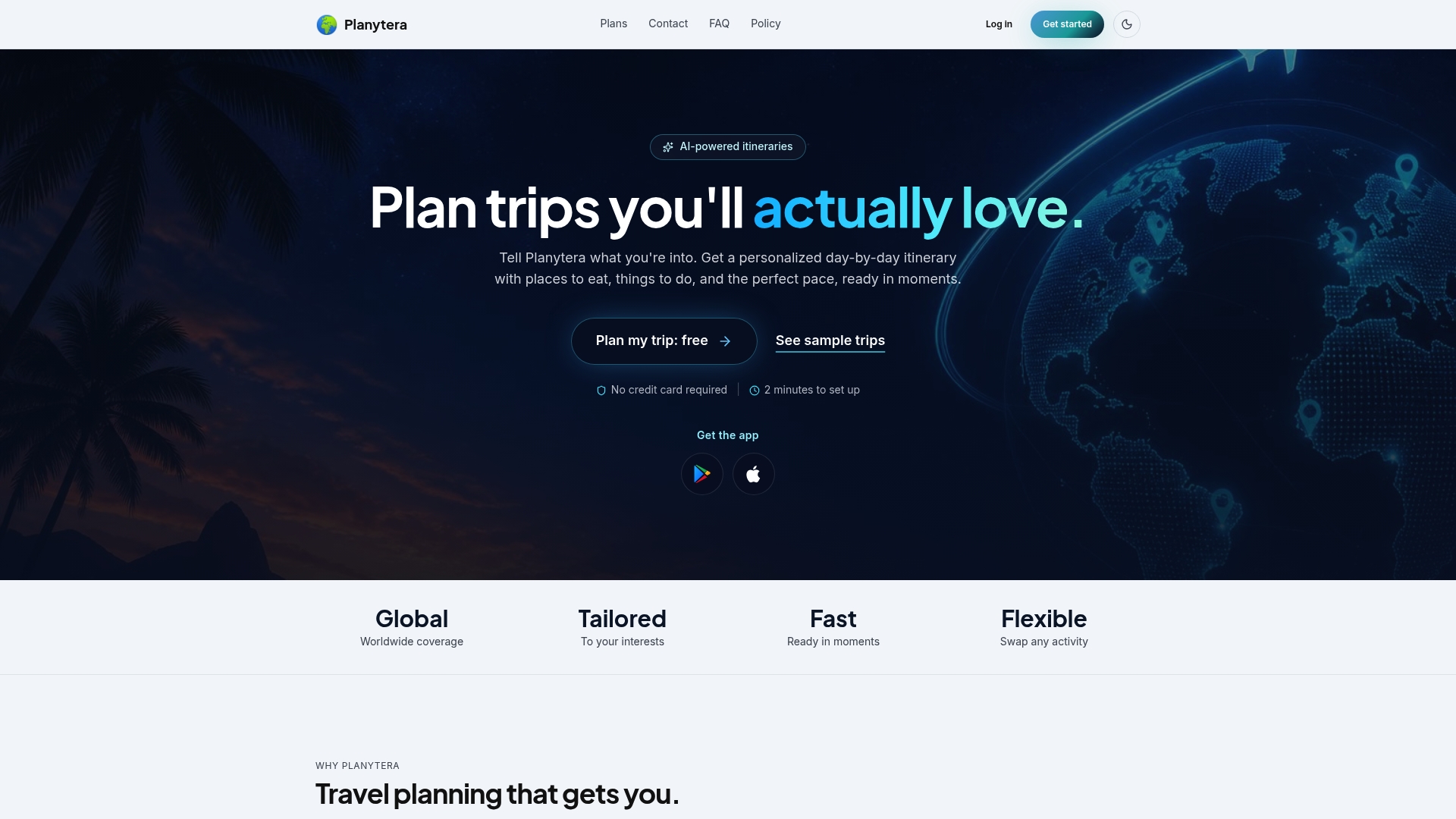
You set your budget, travel style, and preferences. Planytera builds a tailored plan that accounts for solo-specific costs, realistic daily spending, and flexible scheduling. You can adjust on the fly as your trip evolves. Check out sample itineraries to see exactly how a budget-aware solo trip plan looks in practice, or head to Planytera to build yours today.
FAQ
What is the solo supplement in travel budgeting?
The solo supplement is the extra cost solo travelers pay for accommodation and transport that couples or groups would normally split. It means you pay the full room rate alone, which significantly increases your per-night accommodation cost.
How much should a solo travel emergency buffer be?
Solo travelers should set aside 10–25% of their total trip cost as an emergency buffer. This covers missed connections, medical expenses, and unplanned accommodation changes that no travel companion can help absorb.
What daily budget do solo travelers need in Southeast Asia?
Budget solo travelers in Southeast Asia can manage comfortably on $25–$50 per day using hostels, street food, and public transit. Mid-range travel in the same region runs $50–$90 per day.
How do I track my solo travel budget on the trip?
Track your spending each evening in a mobile spreadsheet or budgeting app. Compare your daily total against your target and adjust the next day if you have overspent.
Why should I set my budget before choosing a destination?
Setting a hard budget first filters destination choices rationally and prevents the emotional bias that leads to underfunded trips. Once you know your number, you can identify which destinations and travel styles are genuinely feasible.