
A blended travel itinerary is a trip designed to combine two distinct travel styles, such as adventure and relaxation, into a single, cohesive experience. Most travelers pick one mode and stick with it. The ones who mix styles intentionally come home with richer memories, less fatigue, and a stronger sense of satisfaction. This guide covers the core techniques, including rhythmic pacing, lux-scaping, and sovereign transitions, that make a hybrid itinerary work. You will also find practical tools and sequencing strategies to help you build your own.
How to blend two travel styles itinerary: the core concept
A hybrid travel itinerary is the industry term for what most travelers call a "travel style mashup." The idea is simple: you design your trip so that contrasting experiences, think hiking and spa days, or museum visits and beach afternoons, alternate in a way that feels natural rather than chaotic.
The key benefit is contrast. Pairing active cultural exploration with restorative environments improves overall travel satisfaction. That is because contrast sharpens perception. A rest day feels more rewarding after a demanding hike. A cultural deep-dive lands harder after a morning of doing nothing.
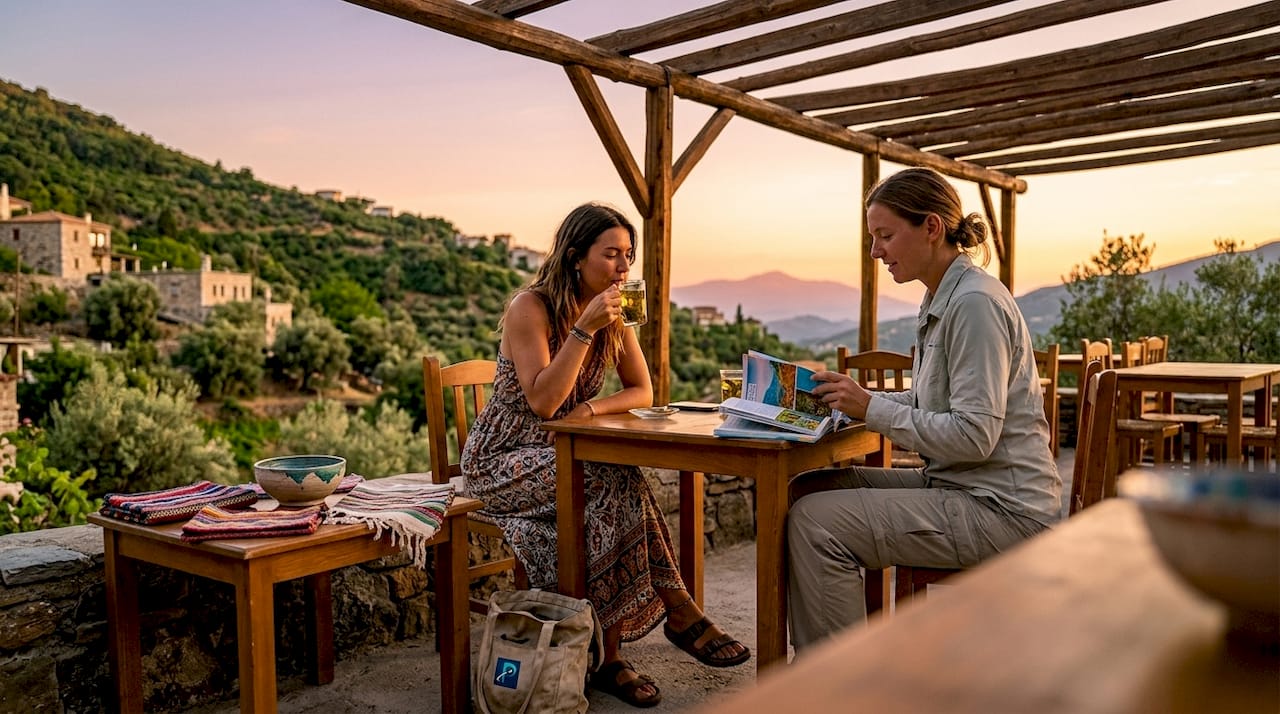
Experts recommend limiting daily plans to 2–3 main activities to avoid burnout during hybrid itineraries. That number gives you enough variety to feel engaged without running yourself into the ground. It is the foundation every good blended itinerary is built on.
What are the key travel styles to blend?
Before you can combine styles, you need to know what each one actually demands from you in terms of energy, pace, and planning.
The four most commonly blended travel styles are:
- Adventure travel: High physical output. Think trekking, white-water rafting, or cycling tours. Requires recovery time built into the schedule.
- Cultural immersion: Moderate energy, high mental engagement. Museums, local markets, cooking classes, and historical sites. Best scheduled after a rest day so you can absorb what you see.
- Relaxation travel: Low output, high restoration. Beach resorts, spa retreats, slow mornings. Works as a reset between intense segments.
- Luxury travel: Defined by quality of experience rather than pace. Fine dining, premium accommodations, curated private tours. Can be layered into any style at key moments.
Two hybrid models are gaining real traction among experienced travelers. The first is the guided self-guided hybrid, where you join guided excursions for complex or risky activities and go independent for everything else. This model gives you freedom without sacrificing safety. The second is the luxury-budget hybrid, where you alternate between budget-friendly stays and deliberate high-end splurges. Both models work because they are built on intentional contrast, not random mixing.
Understanding the pace and energy demands of each style is what separates a good blended trip from an exhausting one. Adventure days need recovery days. Cultural days need breathing room. Luxury moments need context to feel meaningful.
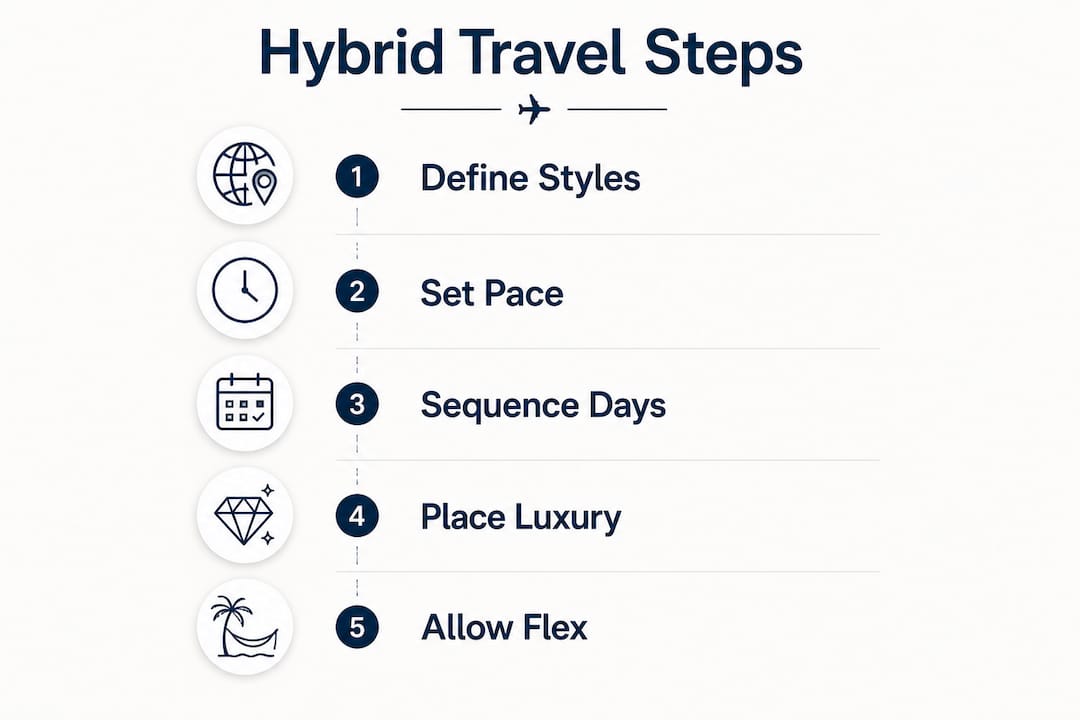
How do you sequence and pace a combined itinerary?
Sequencing is where most travelers get it wrong. They front-load the exciting stuff, burn out by day four, and spend the rest of the trip wishing they had planned better.
The fix is a technique called sovereign transitions: deliberate shifts between intense and restful experiences that sustain energy and maximize travel satisfaction. Think of it as a rhythm. One intense day, one lighter day. One culturally demanding segment, one restorative one. The pattern keeps you engaged without depleting you.
A practical sequencing approach looks like this:
- Days 1–2: Arrival and orientation. Light activity only. Let your body adjust.
- Days 3–5: High-intensity segment. Adventure activities or deep cultural immersion.
- Day 6: Transition day. A scenic drive, a slow meal, a short walk. Nothing demanding.
- Days 7–9: Second style segment. If you did adventure first, shift to cultural or relaxation.
- Final days: Wind down or grand finale (more on that in the next section).
The Peru and Galápagos itinerary is a well-known example of this done right. Travelers spend time in Cusco absorbing Incan history and altitude, then transition to the Galápagos for wildlife and water. The contrast is the point. Designing through contrast makes each segment feel more vivid because the previous one was so different.
Pro Tip: Prioritize meaningful transitions over packing in more destinations. A single night in a quiet town between two intense segments does more for your trip than an extra city ever will.
How do you mix luxury and budget elements without overspending?
The concept driving the best hybrid itineraries in 2026 is lux-scaping: the strategic placement of high-end experiences at key emotional moments rather than spreading luxury evenly across the whole trip. It is a smarter use of your budget and a more powerful emotional experience.
Here is how to apply it in practice:
- Luxury start: Open your trip with one premium night. A great first impression sets a positive tone and reduces arrival-day stress.
- Midweek reset: After three or four intense days, drop into a boutique hotel or a spa experience. This is your recovery anchor.
- Grand Finale: Schedule your best accommodation or dining experience for the last night or two. A concentrated period of high-end comfort restores travelers more effectively than stretched moderate comfort. You leave on a high, and that is the memory that sticks.
Between those luxury anchors, lean into budget-friendly or mid-range options. Camping nights, local guesthouses, and street food days make the luxury moments feel earned. They also free up budget for the experiences that matter most.
AI-driven itinerary planners can identify low-price windows for luxury hotels and slot them into your schedule automatically. That means you get the emotional payoff of a premium stay without paying peak rates.
Pro Tip: Mix boutique inns with outdoor or active days. The contrast between a rugged morning hike and a well-designed room that evening creates a satisfaction that neither experience delivers alone.
What tools and tips make a blended itinerary work?
Good planning tools are what separate a hybrid itinerary that flows from one that falls apart on day two. Grouping activities geographically and building buffer days into your schedule reduces transit stress and creates room for weather changes or spontaneous detours.
The most useful features to look for in an itinerary builder:
- Drag-and-drop scheduling so you can reorder days without rebuilding the whole plan
- Buffer day support to hold space for rest or unexpected opportunities
- Geographic clustering to minimize unnecessary travel between stops
- Budget tracking integrated with accommodation and activity bookings
Structure matters more than spontaneity for hybrid work-leisure travel, and the same principle applies to any blended trip. Spontaneity works best inside a structured framework. When your logistics are locked in, you have the mental space to say yes to the unexpected.
Mixing camping and boutique hotel stays with intentional sequencing preserves energy and improves overall trip quality. Purposeful transition nights, where you do nothing more demanding than a good meal and early sleep, are what make the intense days possible.
For travelers building day-by-day trip plans, the most common mistake is filling every slot. Leave at least one free half-day per four days of travel. That gap is where the best moments happen.
Key Takeaways
A successful blended travel itinerary depends on intentional contrast, rhythmic pacing, and placing luxury at the moments that create the strongest emotional impact.
| Point | Details |
|---|---|
| Limit daily activities | Cap plans at 2–3 main activities per day to prevent burnout and preserve energy. |
| Use sovereign transitions | Alternate intense and restful days deliberately to sustain enjoyment across the full trip. |
| Apply lux-scaping | Place luxury experiences at the start, midpoint, or end of the trip for maximum emotional return. |
| Cluster geographically | Group activities by location to cut transit time and reduce logistical stress. |
| Build in buffer days | Leave free half-days every four days to allow for spontaneity and recovery. |
The rhythm is the trip
Most travelers treat their itinerary like a checklist. They measure success by how many places they visited. I have found that the trips people remember most are the ones that felt like they had a pulse, a real rhythm of high and low, intense and easy, expensive and simple.
The biggest mistake I see is poor luxury placement. Travelers spread their budget evenly and end up with a trip that is consistently mediocre rather than occasionally extraordinary. A single exceptional night at the end of a rugged week does more for your overall memory of a trip than seven nights of "pretty good."
The second mistake is ignoring transitions. Travelers jump from a full-day museum tour directly into a morning hike with no recovery in between. By day five, everything blurs together. A single slow afternoon, a long lunch, a walk with no destination, resets your senses and makes the next experience land harder.
Blended travel is not about doing more. It is about designing contrast with intention. When you get that right, even a ten-day trip feels like it contained an entire season of experience.
— Dom
Planytera makes hybrid itinerary planning straightforward
Planning a trip that weaves together adventure, culture, and relaxation used to mean hours of spreadsheets and second-guessing. Planytera's AI trip planner builds personalized, day-by-day itineraries that account for your pace, budget, and preferred mix of experiences from the start.
Planytera handles the heavy lifting: identifying the best windows for luxury stays, clustering activities geographically, and leaving room for the spontaneous moments that make a trip memorable. You can adjust your plan on the fly, share it with travel companions, and access it offline when you need it most. Check out sample itineraries to see how a blended trip actually looks in practice, or browse subscription plans to find the right fit for your next trip.
FAQ
What does it mean to blend two travel styles?
Blending two travel styles means intentionally designing a trip that combines contrasting modes, such as adventure and relaxation, using structured pacing and sequencing so each style enhances the other.
How many activities should you plan per day on a hybrid itinerary?
Experts recommend 2–3 main activities per day. That limit prevents burnout and leaves room for spontaneity and rest, which are both critical on multi-style trips.
What is lux-scaping in travel planning?
Lux-scaping is the practice of placing luxury experiences at specific high-impact moments in a trip, such as the first night, a midweek reset, or a grand finale, rather than spreading them evenly across the itinerary.
What is a sovereign transition in a travel itinerary?
A sovereign transition is a deliberate shift between an intense travel day and a restful one. Building these into your schedule sustains energy and keeps the overall experience from feeling exhausting.
Can AI tools help plan a blended travel itinerary?
Yes. AI-driven planners like Planytera can integrate budget, timing, and style preferences to build customized hybrid itineraries that slot luxury stays during low-price periods and balance activity loads automatically.