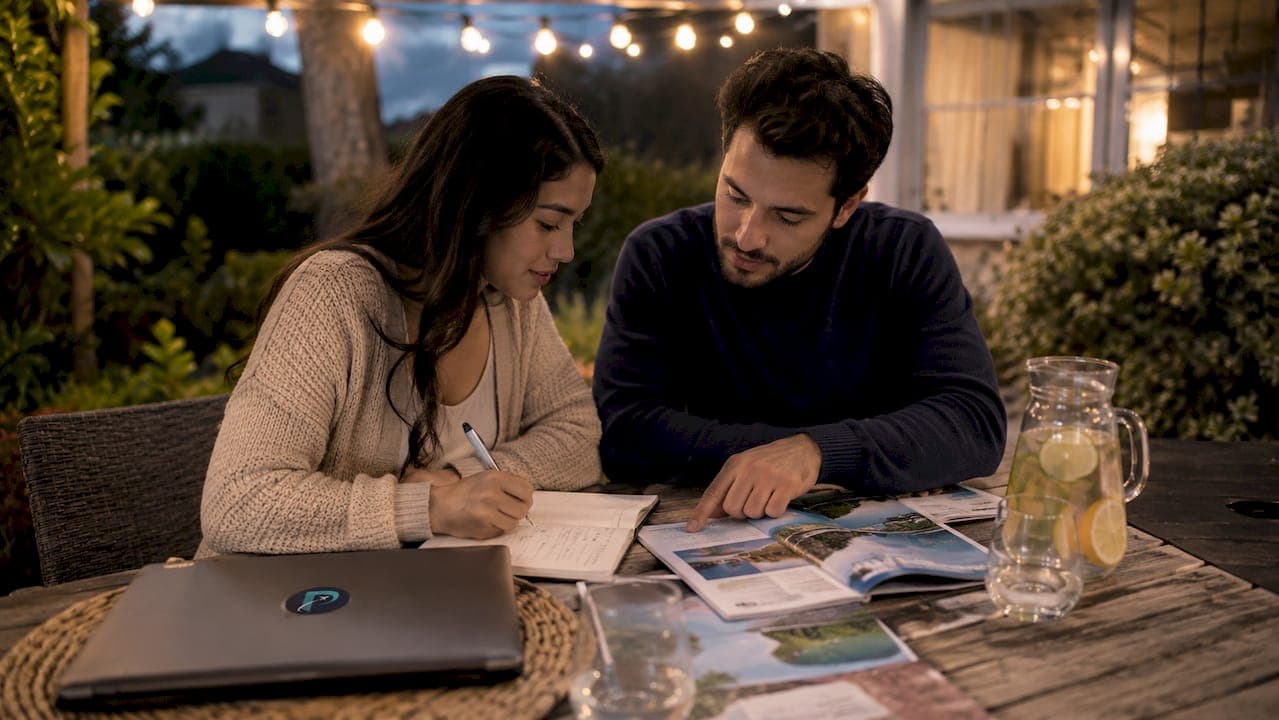
You don't need a big budget to plan a trip that feels genuinely romantic. The secret is picking one meaningful splurge and building everything else around it. Allianz Travel Insurance puts it plainly: the cardinal rule of affordable romantic travel is choosing one significant experience you both care about, then keeping the rest lean. That single decision protects your budget and keeps the trip feeling special rather than scattered.
A few more principles make the whole thing work:
- Travel shoulder season. Booking just before or after peak travel windows saves 10–20% on flights and hotels, with weather that's still good and crowds that have thinned out.
- Think per-room, not per-person. Couples often overestimate costs by doubling a solo traveler's budget. A private guesthouse room is priced per room, so splitting it between two people frequently costs less than two separate dorm beds.
- Plan together, not in parallel. Licensed therapist Nicolle Osequeda told The New York Times that resentment over how time and money was spent is the top complaint couples bring back from trips. Planning jointly, from the start, heads that off.
- Use practical tools. A couples travel calculator, a shared budget spreadsheet, or an AI-powered itinerary tool removes the guesswork before you book anything.
Pro Tip: Day-use hotel bookings let you enjoy a five-star pool, spa, and room service from 10 AM to 4 PM at up to 75% off the overnight rate. Platforms like Dayuse.com make this easy to find. It's one of the best ways to add a luxury moment without paying for a full night.
What are the best affordable romantic destinations in the US?
Romance and affordability overlap more than most couples realize, especially within the United States. A GOBankingRates study found 23 US cities where a three-day romantic weekend for two costs under $2,000 total, including airfare, hotel, and meals. Nashville came in as the most affordable at $1,398 for the full long weekend.
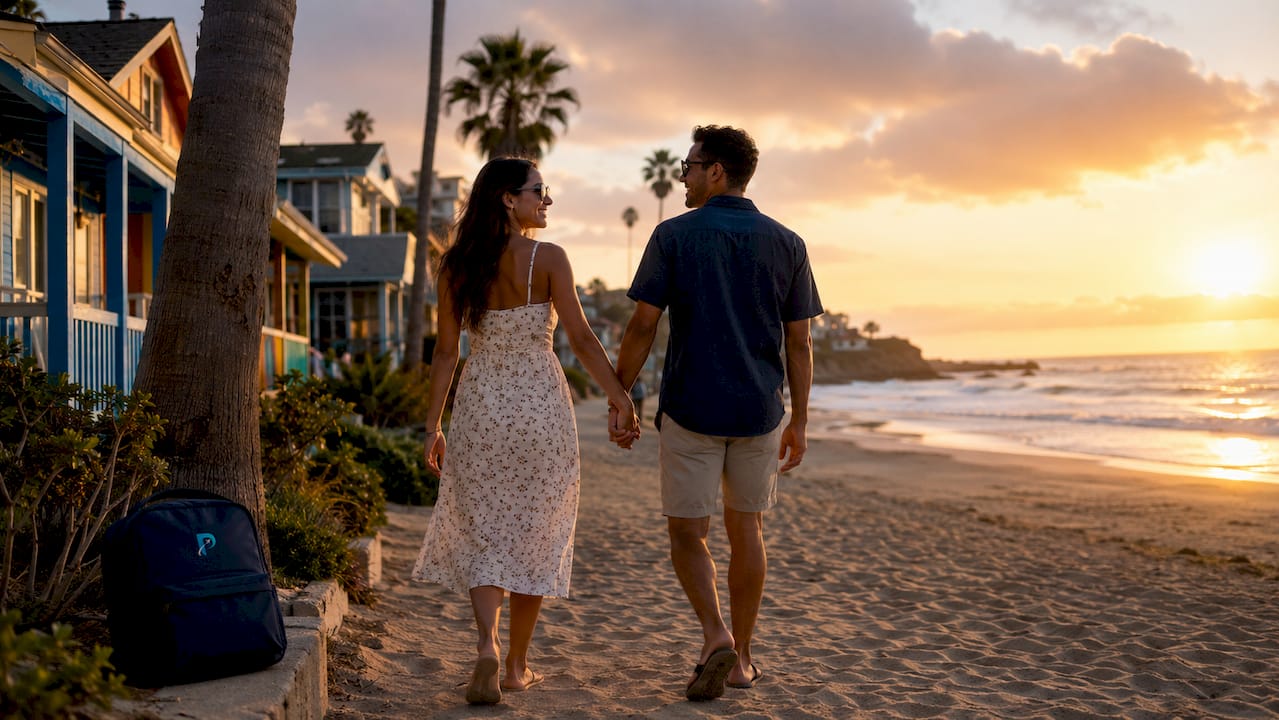
Beyond city rankings, Florida's Space Coast and the Caribbean territory of Puerto Rico consistently appear on lists of affordable romantic getaways for US couples. Here's a closer look at the destinations worth considering.
Daytona Beach, Florida
Daytona Beach offers wide, drivable beaches, a lively boardwalk, and hotel rates that stay reasonable outside the summer rush. Couples who visit in the fall or early spring find the beach far less crowded, and oceanfront rooms drop noticeably in price. The area's free beach access and walkable downtown make it easy to fill a weekend without spending much beyond your room.
Cocoa Beach, Florida
Cocoa Beach sits right next to Kennedy Space Center, which adds a genuinely unique date activity to the mix. The beach itself is quieter than Daytona, and the town has a laid-back surf culture that pairs well with a relaxed romantic pace. Accommodation runs affordable year-round outside of summer, and the Ron Jon Surf Shop area has plenty of casual dining options that won't strain your food budget.
Melbourne, Florida
Melbourne is the underrated pick on Florida's Space Coast. It has a charming historic downtown with independent restaurants, art galleries, and waterfront parks, all without the tourist markup of more famous Florida beach towns. Couples who want a slower, more intimate trip tend to prefer Melbourne over its busier neighbors.
Puerto Rico
Puerto Rico is one of the best values for US couples because there's no passport required, no currency exchange, and no international roaming fees. Expedia specifically highlights Puerto Rico as a destination where your dollars go further. Old San Juan's cobblestone streets, colorful colonial buildings, and ocean views create a genuinely romantic backdrop. Bioluminescent bays, rainforest hikes, and beach days round out the experience at low cost.
Destin, Florida
Destin's emerald-green water and white sand beaches rival any Caribbean destination visually, and the area has a wide range of accommodation from budget-friendly condos to boutique hotels. Couples who want a romantic Florida getaway with beach walks, sunset cruises, and fresh seafood dinners will find Destin delivers without requiring a luxury budget. Visiting in September or October, after the summer crowds leave, cuts room rates significantly.
Other strong US options
Nashville, Savannah, and St. Augustine also rank among the most affordable romantic cities in the US. Nashville's live music scene and restaurant culture make it easy to plan a full weekend for under $1,500. Savannah's Spanish moss, historic squares, and riverfront dining feel effortlessly romantic. St. Augustine, the oldest city in the US, offers horse-drawn carriage rides, fort tours, and boutique inns at prices well below what you'd pay in Miami or Charleston.
| Destination | Estimated daily budget (couple) | Romantic draw | Best season to visit |
|---|---|---|---|
| Daytona Beach, FL | — | Oceanfront sunrises, boardwalk | Fall, early spring |
| Cocoa Beach, FL | — | Space Coast, surf culture | Fall, winter |
| Melbourne, FL | — | Historic downtown, waterfront parks | Year-round |
| Puerto Rico | — | Old San Juan, bioluminescent bays | November–April |
| Destin, FL | — | Emerald water, white sand beaches | September–October |
| Nashville, TN | — | Live music, food scene | Spring, fall |
| Savannah, GA | — | Historic squares, riverfront | Spring, fall |
| St. Augustine, FL | — | Colonial architecture, carriage rides | Fall, winter |
Key affordability tips by destination:
- Florida's Space Coast (Daytona, Cocoa Beach, Melbourne) sees its lowest hotel rates from September through November.
- Puerto Rico's shoulder season runs may through november, with lower prices and still-warm weather outside of hurricane risk windows.
- Destin's condo rentals often undercut hotel rates for stays of three nights or more.
- Nashville and Savannah both have free or low-cost attractions (Centennial Park, Forsyth Park) that fill a day without spending anything.
How to plan a budget romantic trip step by step
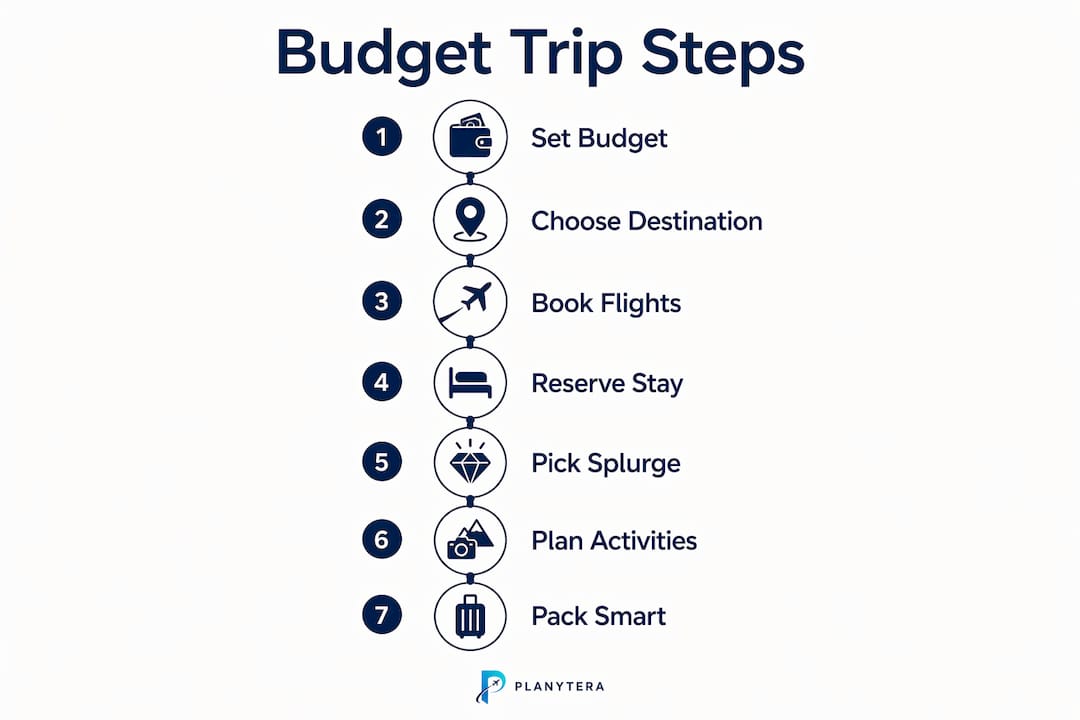
Good planning is what separates a trip that feels romantic from one that feels stressful. The process below keeps both partners involved from the first conversation to the final packing list, which matters more than most couples expect.
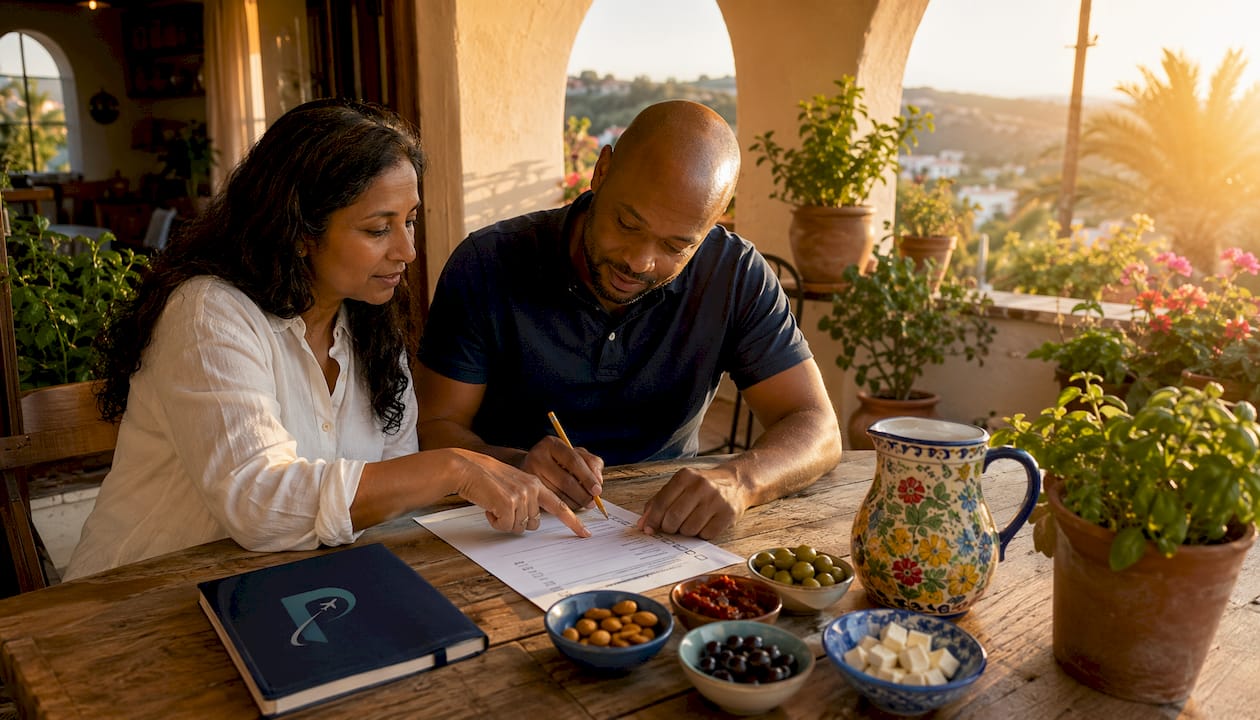
Step 1: Set a joint budget before you research anything
Sit down together and agree on a total number before you open a single booking site. Include flights, accommodation, food, activities, and a small buffer for surprises. Planning together turns the money conversation into a shared goal rather than a source of friction, and it means both partners feel ownership over the trip from day one.
Step 2: Choose your destination based on budget, not just wish lists
Once you have a number, filter destinations by what's realistic. Use a couples travel calculator to estimate total costs by destination, then compare two or three options side by side. Factor in flight costs from your home airport, since a "cheap" destination with expensive flights can easily cost more than a closer one.
Step 3: Book flights strategically
Booking flights 7–12 weeks in advance and choosing tuesday or wednesday departures can save 20–40% on airfare compared to weekend travel. Also check whether a nearby alternative airport offers cheaper fares. Flying into a smaller regional airport and driving an hour can save more than the rental car costs.
Step 4: Lock in accommodation early, but stay flexible on specifics
Book your first two nights in advance to guarantee you have a place to land. For the rest of the trip, staying flexible often means finding better deals on the ground or adjusting based on what you both enjoy. Extended stay hotels with kitchenettes are worth considering for trips of five nights or more since cooking a few meals cuts food costs noticeably.
Step 5: Decide on your one splurge
Before you finalize the itinerary, agree on the one experience you both most want to spend on. A private sunset dinner, a spa afternoon, a boat tour, a special hotel upgrade for one night. Naming it early means you protect that budget line and cut elsewhere rather than letting small extras add up and crowd it out.
Step 6: Plan activities together, mixing free and paid
Divide the activity planning between partners. One person researches free and low-cost options (beaches, parks, walking tours, museum free days). The other researches one or two paid experiences worth the cost. This approach keeps the itinerary balanced and gives both partners something they chose.
Step 7: Pack to save money
Packing a small first-aid kit, reusable water bottles, snacks, and a portable charger eliminates a surprising number of small purchases on the road. Bringing a nicer outfit for your splurge dinner means you don't need to buy anything when you arrive.
Pre-trip planning checklist:
- Total budget agreed by both partners
- Destination chosen with realistic cost estimate
- Flights booked 7–12 weeks out, midweek if possible
- First two nights of accommodation confirmed
- One splurge experience identified and budgeted
- Free and low-cost activities researched for each day
- Packing list reviewed to avoid on-trip purchases
- Travel insurance purchased before departure
What budgeting strategies actually work for couples traveling romantically?
Money management on a romantic trip works best when both partners treat it as a shared project rather than one person's responsibility. Here's what actually moves the numbers.
Split and track expenses together
Use a shared app or a simple shared note to log expenses as you go. Seeing the running total in real time prevents the end-of-trip shock that leads to resentment. For guidance on splitting travel costs fairly and transparently, a clear system agreed on before you leave makes the whole trip smoother.
Choose accommodation that does double duty
Extended stay hotels with kitchenettes are one of the most underused tools in budget romantic travel. You get a private space, often with more room than a standard hotel room, plus the ability to prepare breakfast and a few simple dinners. That alone can save $40–$60 per day on food without making the trip feel like you're roughing it.
Private guesthouses and locally owned inns frequently offer better value than chain hotels, with more character and often more personalized service. Booking directly with the property sometimes unlocks a discount or a small upgrade that third-party sites don't offer.
Pro Tip: Tell the hotel or restaurant it's a special occasion when you book. A simple note saying you're celebrating an anniversary can result in complimentary wine, flowers, or a room upgrade. Thank them in person and with a review afterward.
Eat well without overspending
Dining 2–3 blocks away from the main tourist strip consistently cuts food costs 40–60% while delivering more authentic food. Avoid restaurants with laminated photo menus and staff waving you in from the sidewalk. Those are priced for tourists who don't know the local rate.
A practical rhythm that works well for couples: grab breakfast from a market or grocery store, eat a proper lunch at a local restaurant (often the best value of the day), and save the sit-down dinner for your splurge nights. You eat well every day and spend a fraction of what you would dining out for every meal.
Find and use deals specifically for couples
- Bundled packages: Booking flights and hotels together on platforms like Expedia can save up to $2,000 on some packages compared to booking separately.
- Romance packages: Some inns offer packages that include breakfast, champagne, and local attraction tickets for less than the components cost individually. Run the math before assuming they're overpriced.
- Museum and attraction passes: City passes in destinations like Nashville or Savannah cover multiple attractions at 20–40% off individual entry prices.
- Last-minute hotel apps: Apps that specialize in same-day hotel bookings can surface deeply discounted rates at quality properties when you have flexibility.
Time your purchases right
Flights are cheapest booked 7–12 weeks out for international trips and 4–6 weeks out for domestic ones. Hotel rates tend to drop for midweek stays and for shoulder-season dates. If you're flexible on exact dates, shifting your trip by even a week can make a real difference in what you pay.
For couples travel budgeting in 2026, the biggest savings still come from destination choice and timing, not from cutting small daily expenses. Get those two decisions right first, then fine-tune the rest.
What romantic activities can you enjoy without spending much?
The most memorable moments on a romantic trip rarely come from the most expensive activities. They come from time, attention, and a setting that makes both of you feel present. Plenty of those settings are free.
Free and low-cost romantic activities worth building into any trip:
- Sunrise or sunset watching at a beach, overlook, or rooftop. Free everywhere, and genuinely hard to beat for romance.
- Scenic walks through historic neighborhoods. Old San Juan, Savannah's squares, St. Augustine's colonial streets, and Nashville's Germantown all reward slow walking with no admission fee.
- Picnics in parks or on beaches. Pick up food from a local market, find a good spot, and you have a meal that costs less than a restaurant appetizer and feels more intimate than any table service.
- Museum free days. Many US museums offer free admission one day per week or month. Check before you go.
- Free walking tours. Tip-based walking tours run in most US cities and give you a local's perspective on the place you're visiting. They're often better than paid tours.
- Cooking a meal together. If your accommodation has a kitchen, buying local ingredients and cooking together is both a money-saver and a genuinely fun shared activity.
- Stargazing. Away from city light pollution, this costs nothing and works especially well in destinations like Moab, Utah, or rural Florida.
- Local markets and festivals. Farmers' markets, art fairs, and community festivals are free to attend and give you a real feel for the place.
DIY romantic touches that upgrade the experience cheaply
Hotels charge a premium for "romance packages" that place champagne and rose petals in your room. You can do the same thing yourself for a fraction of the cost. Pick up a bottle of wine, a few flowers, and some candles from a local store, and you've created the same atmosphere for $20 instead of $100.
For romantic activities in Destin specifically, the beach itself does most of the work. Sunset walks, dolphin-watching from the shore, and paddleboarding rentals all deliver memorable experiences at low cost.
Balancing planned and spontaneous moments
Over-scheduling kills romance faster than a tight budget does. Leave at least one afternoon per day unplanned. Some of the best moments on any trip come from wandering into a café that looked interesting, staying longer at a viewpoint than you intended, or finding a local event you didn't know was happening. A loose itinerary gives you room to follow what feels good in the moment.
Research-backed insights on timing and romance that stretch your budget
The research on budget romantic travel points consistently to a few principles that most couples overlook. Getting these right matters more than any individual money-saving tactic.
The one-splurge principle
Allianz Travel Insurance frames this as the cardinal rule: you can't have a boutique hotel, a fine-dining dinner, and front-row show tickets all on a tight budget. Pick the one that matters most to both of you and build around it. That single meaningful experience is what you'll remember. The rest of the trip just needs to be comfortable and enjoyable, not extravagant.
Shoulder season is the real budget lever
That 10–20% saving on flights and accommodation adds up fast across a week-long trip. For a couple spending $1,500 on a domestic getaway, shoulder-season timing can save $150–$300 without changing a single activity or restaurant choice.
Shared planning builds the relationship, not just the itinerary
12XTravel's research highlights something worth taking seriously: couples who plan together, including calculating costs and splitting expenses openly, report stronger relationship harmony during and after the trip. The planning process itself becomes part of the romantic experience when both partners are genuinely involved.
Private rooms beat dorm math for couples
Couples who default to hostel-style budgeting often pay more than they need to. A private guesthouse room split between two people frequently costs the same as or less than two separate dorm beds in the same town, with a door that locks and a bed that isn't bunked above a stranger. Outside Southeast Asia, the gap is even more pronounced. In many US cities, a private Airbnb room for two runs less than two hostel beds.
Day-use hotel stays for affordable luxury
The day-use hotel concept has moved well beyond its old reputation. Platforms like Dayuse.com let couples book five-star hotel rooms from 10 AM to 4 PM at up to 75% off the overnight rate. You get the pool, the spa, the room service, and the atmosphere of a luxury property for a few hours at a price that fits a tight budget. It's the cleanest way to add a genuinely luxurious moment to a trip without paying for a full night.
Key research-backed tips at a glance:
- Pick one splurge and protect that budget line from the start.
- Travel shoulder season to save 10–20% on the biggest line items.
- Book flights 7–12 weeks out and fly midweek for the best airfare.
- Choose a private room over dorm beds; the math almost always favors the couple.
- Plan together to avoid post-trip resentment over money and time.
- Use day-use hotel bookings for a luxury experience at a fraction of the cost.
- Eat 2–3 blocks from tourist areas to cut food costs without sacrificing quality.
Let Planytera handle the planning heavy lifting

Budget romantic trip planning is easier when you have a tool that does the research for you. Planytera generates personalized, day-by-day itineraries tailored to your budget, your pace, and what you both actually enjoy. No spreadsheets, no hours of tab-switching, no guessing whether the numbers add up.
You tell Planytera your destination, your budget range, your travel dates, and your preferences as a couple. It builds a full itinerary that balances romantic experiences with realistic costs, and you can adjust any part of it on the fly. If you decide to add a splurge dinner or swap an activity, the plan updates around it.
For couples planning an anniversary, a honeymoon, or just a much-needed escape, Planytera takes the stress out of the process so you can focus on each other. Start planning your trip at planytera.com.
Key Takeaways
Budget romantic trip planning works best when couples prioritize one meaningful splurge, travel shoulder season, choose private accommodations priced per room rather than per person, and plan every step together to avoid post-trip resentment.
| Point | Details |
|---|---|
| One splurge rule | Choose one meaningful experience to spend on; keep everything else lean to protect the budget. |
| Shoulder season savings | Traveling just before or after peak season saves 10–20% on flights and hotels with minimal trade-off on weather or experience. |
| Private room math | A private room split between two people often costs the same as or less than two separate dorm beds in the same destination. |
| Plan together | Couples who plan and budget jointly report stronger relationship harmony and fewer post-trip money conflicts. |
| Flight booking window | Booking flights 7–12 weeks in advance and flying midweek can significantly reduce airfare compared to last-minute or weekend travel. |