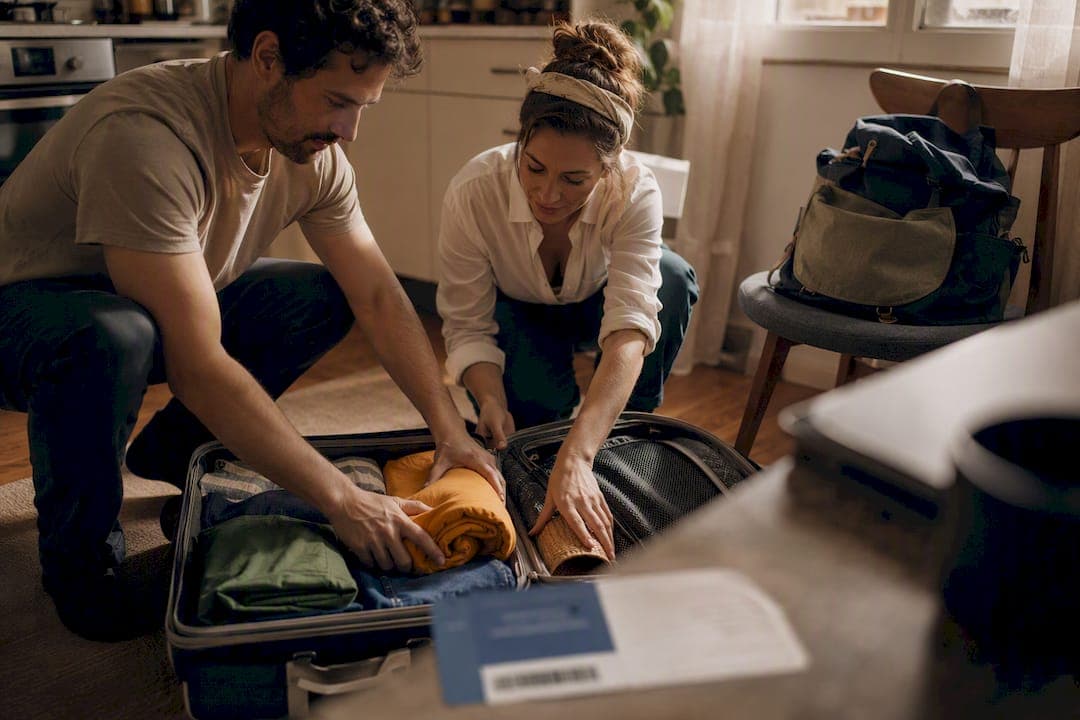
Yes, short-notice trips often suit couples better than the big planned vacation. Less lead time means less pressure, more shared novelty, and often a lower price tag for a quick getaway. Travel psychologists find that spontaneous travel cuts down on analysis paralysis and pushes couples into problem-solving mode together, which tends to strengthen the bond rather than strain it.
Here's what backs that up:
- Planytera users regularly build full 48-hour itineraries in minutes instead of weeks.
- Statistic: Booking.com's research links spontaneous travel directly to reported improvements in couples' happiness and connection.
Your micro-action for this weekend: pick two open days, set a dollar cap, and search flexible-date deals tonight.
Key Takeaways
Last-minute trips suit couples because they reduce planning friction, increase shared novelty, and often cost less when booked with flexible dates and short distances.
| Point | Details |
|---|---|
| Spontaneity strengthens bonds | Shared problem-solving during unplanned trips builds connection more than rigid itineraries. |
| Discounts favor flexibility | Hotels and airlines often discount unsold inventory close to departure, especially midweek. |
| One anchor, rest open | Lock a single reservation, then leave most hours unstructured to preserve romance. |
| Align before booking | Agree on budget, vibe, and one non-negotiable before either partner books anything. |
| Speed matters more than research | Tools like Planytera turn hours of planning into minutes, protecting time together. |
Table of Contents
- Why Spontaneity Amplifies Connection and Cuts Planning Friction
- Is Last-Minute Travel Actually Cheaper for Couples?
- Your 48 to 72 Hour Planning Checklist
- How Should Couples Split Planning Without Fighting?
- Smart Tactics for Finding Last-Minute Value
- Two Ready-to-Use Weekend Itineraries
- How Planytera Helps Couples Plan Trips on Short Notice
- What Actually Matters When You're Planning Fast
- Frequently Asked Questions
- Sources
Why Spontaneity Amplifies Connection and Cuts Planning Friction
Shared novelty does something predictable trips can't. When you and your partner face a new place together with no script, you problem-solve as a team, and that shared effort tends to deepen relationship satisfaction more than a rigidly scheduled trip does. Travel psychologists point to reduced pre-trip anxiety as part of the reason. Fewer decisions made weeks in advance means less time spent debating spreadsheets and more time actually being together once you land.
Short trips also fit real life better than they used to.
- Reporting on romance travel trends shows more couples now favor frequent "just because" getaways over one big annual vacation.
- Statistic: That same 2026 survey-style reporting found short, spontaneous trips rising in popularity, especially among younger couples who treat travel as a regular relationship habit rather than an annual event.
- Trips of two to four nights close to home reduce logistics friction, according to case-study reporting on spontaneous romantic weekend getaways.
Less planning time isn't a compromise here. It's the point.
Is Last-Minute Travel Actually Cheaper for Couples?
Sometimes, yes, and the mechanism is simple: hotels and airlines would rather sell a room or seat at a discount than let it sit empty. Booking.com's data shows this dynamic pricing pattern plays out repeatedly close to departure dates, particularly midweek.
But last-minute isn't automatically cheap. Watch for these traps:
- Peak dates. Holidays, weekends, and festival dates rarely discount. Demand stays high, so prices stay high.
- One-way or single-seat demand. Airlines price these more aggressively since remaining inventory is scarce.
- Popular destinations with limited lodging. Fewer options means less incentive for hotels to cut rates.
Pro Tip: Search flexible date ranges instead of a fixed weekend. A Tuesday-to-Thursday window three towns over almost always beats a Friday-to-Sunday trip to a hotspot.
Your 48 to 72 Hour Planning Checklist
Quick trips work when you follow a sequence instead of improvising the order. Here's the one that actually holds up under time pressure:
- Set the frame. Agree on a budget cap, distance limit, and trip length before opening a single booking site.
- Book transport first. Flights and trains lock in the fastest and lose flexibility soonest.
- Reserve flexible lodging. Look for refundable or free-cancellation rates since your plans may shift once you arrive.
- Lock one anchor experience. A dinner reservation, spa slot, or ticketed activity gives the trip a center of gravity without over-scheduling it.
- Leave the rest open. Resist filling every hour. Unstructured time is where the best moments tend to happen.
Before you leave, run through this quick list:
- Pack light: one bag each, versatile layers, a phone charger you won't forget.
- Confirm travel insurance covers short-notice bookings.
- Share live location and emergency contacts with someone at home.
- Screenshot confirmation numbers in case you lose signal.
Pro Tip: Book lodging with free cancellation until 24 hours before check-in. It costs nothing and protects you if weather or work throws off the plan.
How Should Couples Split Planning Without Fighting?

Splitting roles clearly prevents the most common source of last-minute trip friction: two people making decisions in parallel without telling each other. One simple model works well. One partner becomes the logistics lead, handling transport, lodging, and reservations. The other becomes the experience lead, researching food, activities, and things to see.
Before booking anything, answer three questions together:
- What's our real budget ceiling?
- What vibe are we going for: relaxing, adventurous, or a mix?
- Is there one non-negotiable each of us wants from this trip?
Build in a five-minute daily check-in once you're there, and protect at least an hour of solo time each day. Even the closest couples need a little breathing room on a compressed trip.
Smart Tactics for Finding Last-Minute Value
Flexible-date searches beat fixed-date searches almost every time on short notice. Midweek departures, in particular, tend to undercut weekend pricing significantly, since business travel dries up and leisure demand hasn't caught up. Short-distance trips also stretch your money further: less transit time means more usable hours once you arrive, a pattern confirmed by research on last-minute vacation planning.
A few more tactics worth using:
- Compare three nearby destinations instead of fixating on one, since price gaps between similar spots can be significant.
- Treat bundled flight-and-hotel offers with caution. They look convenient but often lock you into non-refundable terms.
- Statistic: Discounts on unsold inventory close to departure can run as steep as 40% on certain hotel and flight combinations.
- Set your budget cap and agree on who pays for what before you start browsing, not after you've found something you love.
Two Ready-to-Use Weekend Itineraries
Relaxing version:
- Arrive Friday evening, no plans beyond checking in.
- Slow Saturday morning, then one anchor dinner reservation that night.
- Open Saturday, wander wherever curiosity leads.
- Calm Sunday, late checkout, home by evening.
Active version:
- Early Friday arrival, drop bags, straight into town.
- Saturday morning outdoor activity: hike, kayak, or bike route.
- Saturday afternoon local discovery: market, neighborhood, or day trip.
- Sunday finale: something memorable before heading home.
Both work because they leave room. St. Lucia's tourism board makes this point well: leaving days open for simply being together, rather than over-scheduling, tends to produce the trips couples remember longest.
If rain or a cancellation hits, swap the outdoor block for a museum, a spa, or a long lunch. The anchor reservation is the only piece that needs to hold. Everything else can flex.
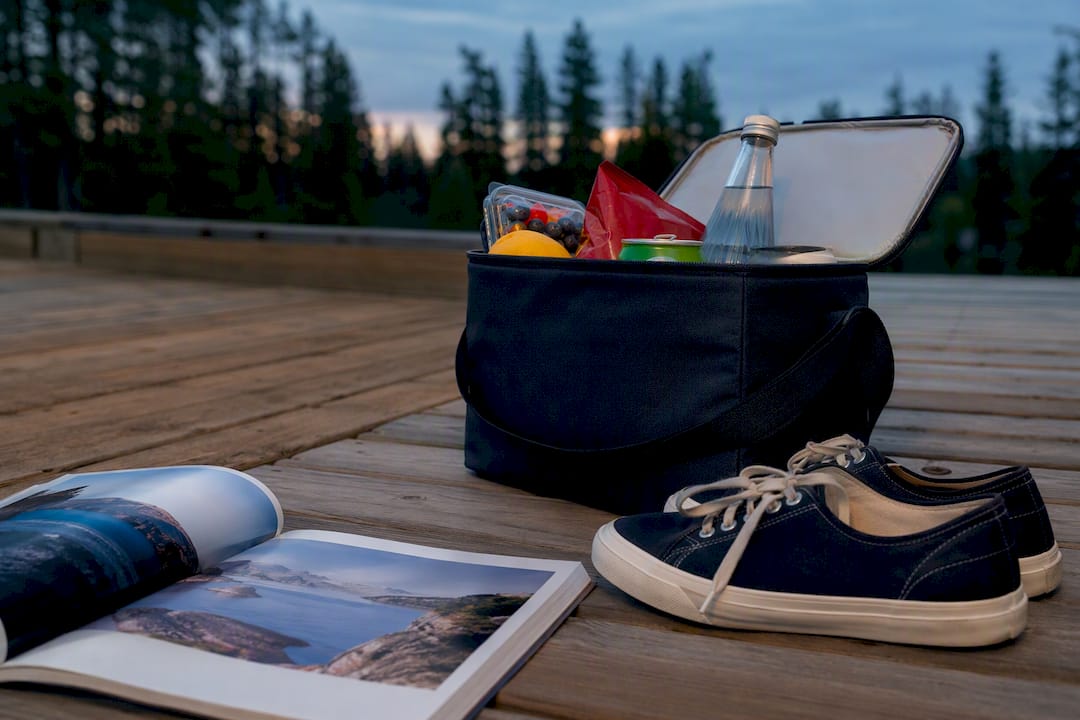
How Planytera Helps Couples Plan Trips on Short Notice
Planytera exists for exactly this moment: you have 48 hours of free time and zero patience for spreadsheets. The app builds a full day-by-day itinerary in minutes, tuned to your budget, pace, and dietary needs, and both partners can edit it together in real time.
Features that matter most when time is tight:
- AI-generated itineraries ready in moments, not days.
- Offline access, so plans stay usable without signal.
- Collaborative editing, so both of you can adjust the plan live.
- Budget presets that keep spending predictable from the start.
One real couple example from Planytera's case studies shows a pair building a full 60-hour coastal getaway plan in under 20 minutes, from a single conversation about "somewhere with water and good food" to a finished, shareable itinerary.
Set your vibe, pick one anchor booking, then let Planytera fill in the rest while leaving open blocks for whatever the day brings.
What Actually Matters When You're Planning Fast
Most advice on spontaneous travel focuses on where to go. That's the wrong starting point. What actually determines whether a last-minute trip strengthens a relationship or strains it is how well two people agree on vibe and budget before a single booking happens.
Conventional planning wisdom oversells the itinerary and undersells the conversation. A perfectly scheduled 48 hours with mismatched expectations feels worse than a loosely planned weekend where both partners know what they want going in. The three-question alignment (budget, vibe, non-negotiable) matters more than any specific destination.
If you take one thing from this, prioritize the anchor-and-open-time structure over anything else. Lock one experience, protect the rest as unstructured time, and use tools built for speed rather than research marathons. That's where Planytera earns its place: it compresses the logistics into minutes so the two of you spend your short window actually together, not negotiating over browser tabs.
Frequently Asked Questions
Is last-minute travel really cheaper for couples? It can be, since hotels and airlines often discount unsold inventory close to departure. It's not guaranteed on peak dates or in destinations with limited lodging, so flexible dates matter more than the "last-minute" label itself.
How far in advance counts as last-minute for a couples trip? Most short-notice couples trips get planned within 48 to 72 hours of departure, often for destinations within a few hours' drive or a short flight.
What's the best trip length for spontaneous couples travel? Two to four nights tends to work best. It's long enough to feel like a real break and short enough to plan quickly without major logistics friction.
How do couples avoid arguing over last-minute plans? Splitting roles (one handles logistics, one handles experiences) and agreeing on budget, vibe, and one non-negotiable before booking prevents most conflict.
Can an app really plan a trip in a couple of hours? Yes. Planytera generates a full day-by-day itinerary based on your preferences, budget, and pace in minutes, then lets both partners edit it together as plans shift.
Sources
- Psychology suggests spontaneous travel trend increases happiness
- Romance travel trends 2026: rise of 'just because' trips
- New research from Booking.com on spontaneous travel and romance