
The top types of romantic travel itinerary themes couples reach for are: adventure, culinary & wine, wellness & spa, cultural & arts, nature/backcountry, cozy staycation, luxury & pampering, historic & vintage, stargazing/outdoors, celebration/anniversary, budget-friendly roadtrip, and slow retreat. Each one maps to a different emotional register, pace, and budget, so picking the right fit matters more than picking the most popular one.
Five themes that scan fastest for most couples:
- Culinary & wine — sensory, social, and easy to scale up or down in cost
- Wellness & spa — low-effort, high-restoration, ideal for burned-out couples
- Adventure — high energy, shared adrenaline, strong memory-making
- Slow retreat — deliberately unhurried; the antidote to over-planned trips
- Celebration/anniversary — milestone-focused with built-in emotional stakes
Pro Tip: Before you commit to a theme, ask one question together: "Do we want to feel energized or restored at the end of this trip?" That single answer narrows the list to two or three options immediately.
Themed and experiential travel has shifted from a niche preference to the default expectation for couples who want more than generic sightseeing. A themed itinerary gives every activity a reason to exist and turns a good trip into a story you actually retell.
Table of Contents
- The Full Catalog of Romantic Itinerary Themes
- How to Pick the Right Theme for Your Relationship
- Four Ready-to-Use Mini-Itineraries
- Expert Planning Tips That Protect the Romantic Experience
- Key Takeaways
- Why Themed Itineraries Actually Work
- Planytera Turns Any Theme Into a Real Itinerary
- Useful Sources
The Full Catalog of Romantic Itinerary Themes
Each theme below includes a sensory description, sample activities, U.S. destination picks, season and budget guidance, and a short micro-itinerary you can adapt tonight.
1. Adventure romance
Feel: Shared adrenaline, laughter, and the kind of closeness that comes from doing something slightly scary together.
Sample activities: White-water rafting, zip-lining, sunrise hikes, rock climbing, kayaking sea caves, adventure wedding weekends with outdoor ceremonies.
U.S. destinations: Moab, Utah; Asheville, North Carolina; Olympic Peninsula, Washington.
Best seasons: Spring and fall. Budget tier: Medium (gear rentals and guided tours add up, but lodging can stay modest).
2-day micro-itinerary:
- Day 1 morning: Half-day guided white-water rafting or canyon hike (3–4 hrs). Afternoon: Rest at a riverside cabin, no agenda. Evening: Campfire dinner or a local brewpub.
- Day 2 morning: Sunrise hike to a viewpoint (2 hrs). Afternoon: Kayak rental or mountain bike loop. Evening: Splurge on a farm-to-table dinner in town.
2. Culinary & wine
Feel: Slow, indulgent, and conversation-rich. Every meal is an event.
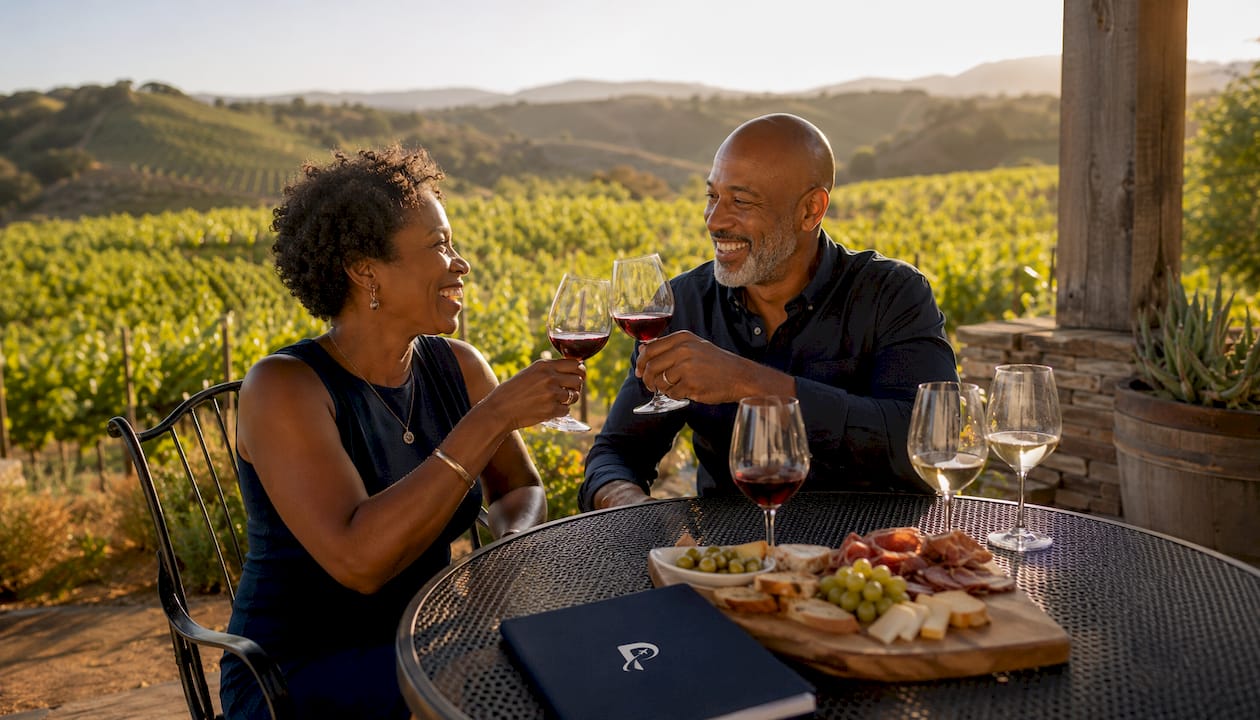
Sample activities: Winery tours with private cellar tastings, cooking classes for two, farmers market mornings, progressive dinner walks, private chef experiences.
U.S. destinations: Napa Valley, California; Willamette Valley, Oregon; Charlottesville, Virginia.
Best seasons: Late summer through fall (harvest season). Budget tier: Medium to high.
2-day micro-itinerary:
- Day 1: Morning farmers market, then a 90-minute couples cooking class. Afternoon: self-guided winery drive with two or three stops. Evening: candlelit dinner at a vineyard restaurant.
- Day 2: Late breakfast at a local café. Midday: private cellar tasting at a small producer. Afternoon free. Evening: cheese and charcuterie on the hotel balcony.
3. Wellness & spa
Feel: Quiet, restorative, and deeply reconnecting. The pace is the point.
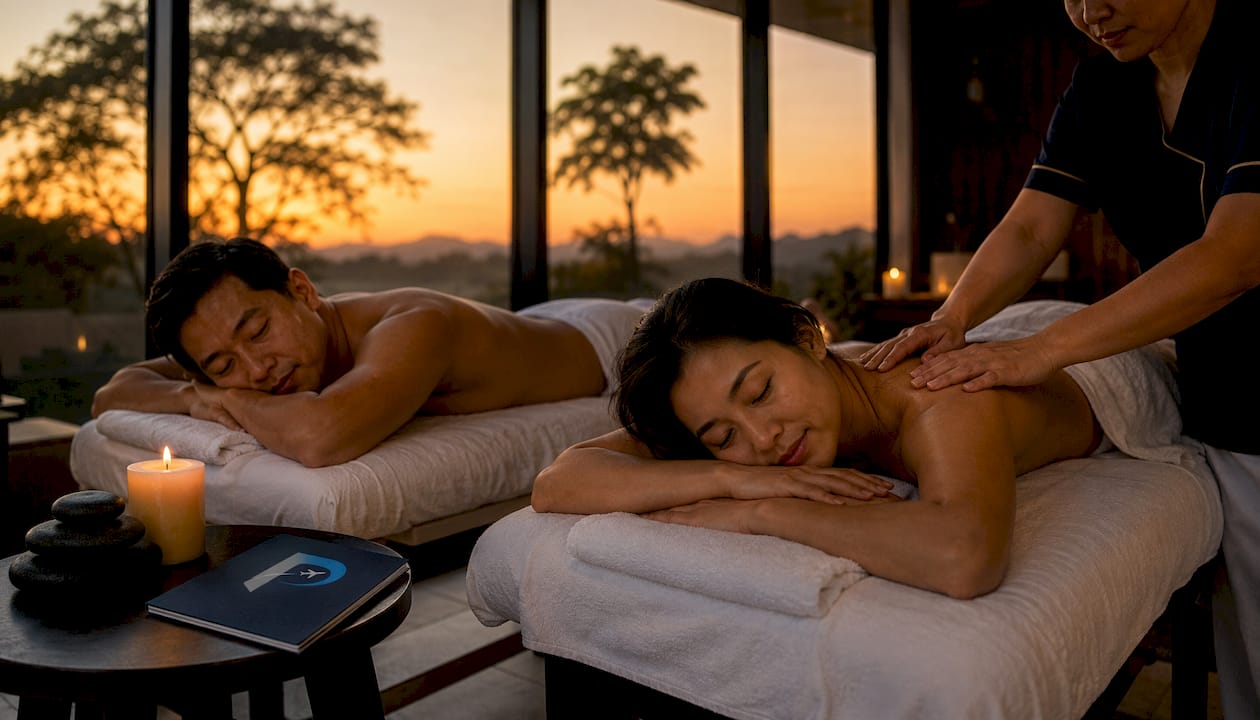
Sample activities: Couples massages, thermal soaks, yoga at sunrise, guided meditation walks, sound bath sessions, farm-fresh spa menus.
U.S. destinations: Sedona, Arizona; Hot Springs, Arkansas; Ojai, California.
Best seasons: Any season works; winter and early spring are especially popular for indoor thermal experiences. Budget tier: Medium to high.
2-day micro-itinerary:
- Day 1: Arrive, check into a boutique property, afternoon couples massage. Evening: light dinner at the spa restaurant, early night.
- Day 2: Sunrise yoga (optional), thermal soak mid-morning, afternoon free walk or nap. Depart refreshed.
Boutique properties tend to outperform large chains on privacy and personalized service for this theme specifically. Quieter common areas and attentive staff make a real difference when the goal is restoration.
4. Cultural & arts
Feel: Intellectually alive, visually rich, and full of things to talk about over dinner.
Sample activities: Museum evenings, gallery walks, live theater or opera, street art tours, local artisan workshops, architecture self-guided walks.
U.S. destinations: New York City; Santa Fe, New Mexico; Chicago, Illinois.
Best seasons: Fall and winter (indoor-friendly, strong programming calendars). Budget tier: Low to high (free museums exist alongside premium experiences).
2-day micro-itinerary:
- Day 1: Morning gallery district walk. Afternoon: ticketed museum or exhibition. Evening: dinner near the theater district, then a live performance.
- Day 2: Artisan workshop or pottery class together (2 hrs). Afternoon: neighborhood café crawl. Evening: rooftop cocktails with city views.
5. Nature/backcountry
Feel: Expansive, quiet, and humbling in the best way. Screens go away; presence takes over.
Sample activities: Backcountry camping, wildflower meadow hikes, wildlife spotting, canoe trips on remote lakes, stargazing from a dark-sky site.
U.S. destinations: Grand Teton National Park, Wyoming; Boundary Waters, Minnesota; Big Bend National Park, Texas.
Best seasons: Late spring through early fall for most backcountry access. Budget tier: Low to medium (permits and gear are the main costs).
3-day micro-itinerary:
- Day 1: Drive in, set up camp or check into a park-adjacent cabin. Afternoon: short orientation hike. Evening: cook together over a camp stove.
- Day 2: Full-day trail with a packed lunch. Afternoon swim or canoe. Evening: stargazing with a red-light headlamp and a star map app.
- Day 3: Slow morning, pack out, stop at a local diner on the drive home.
6. Cozy staycation
Feel: Permission to do nothing, together. Familiar surroundings, unfamiliar pace.
Sample activities: Hotel room upgrade in your own city, spa day, cooking a new recipe together, board game marathon, local neighborhood walk you've never done, movie marathon with themed snacks.
U.S. destinations: Your own city. Seriously.
Best seasons: Winter and rainy seasons. Budget tier: Low to medium.
1-day micro-itinerary:
- Morning: Sleep in, order breakfast delivery or make a slow brunch together.
- Afternoon: One activity you've both been putting off (a neighborhood you haven't explored, a cooking class, a matinee).
- Evening: Home-cooked dinner with candles, a film, no phones.
7. Luxury & pampering
Feel: Effortless, indulgent, and a little over-the-top in the best way. The goal is zero friction.
Sample activities: Private villa or suite upgrade, helicopter transfers, private boat day trips, after-hours museum access, tasting menus with wine pairings, in-room champagne arrivals.
U.S. destinations: Napa Valley, California; Miami Beach, Florida; Scottsdale, Arizona.
Best seasons: Year-round, though shoulder seasons offer better rates. Budget tier: High.
2-day micro-itinerary:
- Day 1: Private airport transfer to a boutique hotel. Afternoon: spa treatment. Evening: chef's tasting menu reservation.
- Day 2: Late checkout, private boat excursion or helicopter tour. Afternoon: champagne on the terrace. Depart on your own schedule.
Local experiential elements like after-hours museum visits or private cellar dinners create the peak moments that define a luxury trip in memory, not just in cost.
8. Historic & vintage
Feel: Romantic in a timeless, cinematic way. Every cobblestone has a story.
Sample activities: Historic inn stays, carriage rides, antique market mornings, guided walking tours of old districts, candlelit dinners in century-old buildings, vintage train journeys.
U.S. destinations: Savannah, Georgia; Charleston, South Carolina; Williamsburg, Virginia.
Best seasons: Spring and fall (comfortable walking weather, beautiful light). Budget tier: Low to medium.
2-day micro-itinerary:
- Day 1: Arrive, check into a historic inn. Afternoon: guided walking tour of the old district. Evening: dinner in a restored 19th-century building.
- Day 2: Morning antique market. Afternoon: carriage ride or self-guided architecture walk. Evening: cocktails at a speakeasy-style bar.
9. Stargazing/outdoors
Feel: Awe-inspiring and intimate. Hard to feel disconnected when you're both looking at the same sky.
Sample activities: Dark-sky park visits, telescope rental, meteor shower planning, overnight glamping, sunrise/sunset viewpoints, night photography together.
U.S. destinations: Cherry Springs State Park, Pennsylvania; Big Bend National Park, Texas; Bryce Canyon, Utah.
Best seasons: Late summer and fall (clearest skies, comfortable nights). Budget tier: Low to medium.
1-night micro-itinerary:
- Afternoon: Arrive, set up at a glamping site or dark-sky lodge. Short hike before sunset.
- Evening: Dinner under open sky. Stargazing from 9 PM onward with a star map or app.
- Morning: Sunrise coffee, slow pack-out.
10. Celebration/anniversary
Feel: Intentional, meaningful, and built around the two of you specifically.
Sample activities: Surprise itinerary reveals, private dining experiences, milestone photo sessions, renewal of vows, custom gift experiences, anniversary trip planning with personalized touches.
U.S. destinations: Anywhere that holds meaning for your relationship. First-date city, honeymoon destination revisit, or a bucket-list place you've both wanted to see.
Best seasons: Tied to your actual anniversary date. Budget tier: Any.
2-day micro-itinerary:
- Day 1: Recreate your first date or a meaningful shared memory. Evening: private dining experience with a custom menu.
- Day 2: Surprise activity chosen by one partner. Afternoon: slow walk, reflection, photos. Evening: champagne and a handwritten letter exchange.
11. Budget-friendly roadtrip
Feel: Free, spontaneous, and surprisingly romantic. The car becomes the setting.
Sample activities: National park drives, roadside attraction stops, small-town diners, state park hikes, picnic lunches, drive-in movie theaters, free beach days.
U.S. destinations: Pacific Coast Highway, California; Blue Ridge Parkway, Virginia/North Carolina; Highway 1 along the Texas Gulf Coast.
Best seasons: Spring and fall for mild weather and fewer crowds. Budget tier: Low.
3-day micro-itinerary:
- Day 1: Pack a cooler, hit the road by 9 AM. Stop at two scenic overlooks. Lunch at a roadside spot. Check into a budget-friendly motel or state park cabin.
- Day 2: Morning hike or beach walk. Afternoon: drive to the next town, explore the main street. Evening: cook at the cabin or find a local diner.
- Day 3: One final scenic stop, then head home with a playlist you made together.
For more ideas on keeping costs manageable, the budget romantic trip planning guide covers practical frameworks that work for roadtrips specifically.
12. Slow retreat
Feel: Intentionally unhurried. No itinerary anxiety, no packed schedule. Just time.
Sample activities: Renting a cottage for several nights, reading on a porch together, slow morning walks, cooking every meal, visiting one local spot per day maximum, journaling, disconnecting from work.
U.S. destinations: Vermont countryside; Outer Banks, North Carolina; Door County, Wisconsin.
Best seasons: Fall and winter. Budget tier: Low to medium (cottage rentals are the main cost).
3-day micro-itinerary:
- Day 1: Arrive, unpack slowly. Afternoon walk. Cook dinner together.
- Day 2: One outing (a local market, a short trail). Otherwise: read, rest, talk.
- Day 3: Slow morning. One coffee shop visit. Depart without rushing.
How to Pick the Right Theme for Your Relationship
Match your relationship's energy level, your budget, and the occasion first. Everything else follows from those three anchors.
Six decision factors to work through together:
- Personal interests — What do you both genuinely enjoy, not just tolerate? A culinary theme falls flat if one partner doesn't care about food.
- Travel pace — Do you recharge by doing more or doing less? Couples travel pace preferences vary more than most couples admit before booking.
- Mobility and fitness — Adventure and backcountry themes require physical readiness. Be honest here.
- Budget — Some themes (luxury, culinary) scale up fast. Others (roadtrip, staycation, nature) stay affordable without losing impact.
- Season — A stargazing trip in July in a humid climate is miserable. Match the theme to the weather.
- Occasion — An anniversary calls for intentionality. A stress-relief trip calls for restoration. The occasion shapes the emotional goal.
Blending two themes
Most great trips combine two themes rather than committing to one rigidly. Three practical examples:
- Adventure + slow retreat: Two days of hiking, one full day of doing nothing at a cabin. The contrast makes both halves feel better.
- Culinary + cultural: A food-focused city trip where every meal connects to the neighborhood's history. Savannah, Charleston, and New Orleans all support this naturally.
- Luxury + nature: A high-end glamping property or a boutique lodge inside a national park. You get the views without sacrificing comfort.
The key is what DWD Travel calls a chaptered structure: design your trip with distinct emotional textures across segments (high-energy city, quiet lakeside, vibrant coast) so the variety feels intentional, not scattered. A trip that moves from one energy level to another gives couples contrast and a natural narrative arc.
Pro Tip: When blending themes, assign each day a primary theme and a secondary one. "Adventure day with a culinary evening" is a plan. "Adventure and food" is just a vague idea.
Four Ready-to-Use Mini-Itineraries
1. Culinary weekend in wine country
Best for: Napa Valley, Willamette Valley, or Charlottesville. Late summer or fall.
- Day 1: Arrive Friday afternoon. Check into a boutique inn. 6 PM: dinner at a vineyard restaurant (reserve ahead). Walk the grounds at dusk.
- Day 2: 9 AM farmers market. 11 AM: private winery tasting (book a smaller producer for a more personal experience). Afternoon free. 7 PM: tasting menu dinner. Economy swap: picnic lunch from the market instead of a restaurant.
- Day 3: Slow morning, one final café stop, drive home.
Surprise upgrade idea: Pre-arrange a bottle of wine from the year you met, waiting in the room on arrival.
2. Coastal slow retreat
Best for: Outer Banks, NC; Big Sur, CA; Maine coast. Spring or fall.
- Day 1: Arrive by noon. Unpack, walk the beach, no agenda. Cook dinner at the rental.
- Day 2: Morning beach walk at sunrise (worth the alarm). Afternoon: one local seafood spot for lunch. Evening: watch the sunset from the porch with wine.
- Day 3: Slow morning. One short coastal trail. Depart after lunch.
Splurge option: Add a private boat excursion on Day 2 afternoon for a genuinely memorable peak moment.
3. Adventure short-trip with hiking and waterfalls
Best for: Asheville, NC; Columbia River Gorge, OR; Catskills, NY. Spring or fall.
- Day 1: Drive in, short warm-up hike (2 hrs). Dinner at a local brewpub.
- Day 2: Full-day waterfall hike (5–6 hrs with lunch packed). Evening: soak in a hot tub at the lodge or a local bathhouse. Economy swap: skip the lodge, camp at a state park instead.
- Day 3: Farmers market breakfast, one easy trail, drive home.
Personalization idea: Bring a journal and write one sentence each about the trip at the end of Day 2. It takes five minutes and becomes something you keep.
4. Cozy city staycation with a cultural evening
Best for: Any mid-size U.S. city. Winter or rainy season.
- Day 1: Sleep in. Brunch at a neighborhood spot you've been meaning to try. Afternoon: a museum or gallery you've walked past a hundred times. Evening: cocktails at a hotel bar, then a live jazz set or theater performance.
- Day 2: Slow morning at home. Cook a new recipe together for lunch. Afternoon: long walk in a neighborhood you don't usually visit. Evening: movie and takeout from a restaurant you love.
Pro Tip: For day-by-day trip plans that feel real rather than aspirational, build in at least one hour of genuinely unscheduled time per day. That's where the best moments usually happen.
Expert Planning Tips That Protect the Romantic Experience
Logistics and pacing choices are as important as the peak experiences themselves. A perfect dinner reservation means nothing if you spent two hours lost in traffic getting there.
Logistics checklist for couples:
- Book private transfers for arrival and departure days (removes the single biggest friction point)
- Confirm flexible cancellation on all reservations at least 48 hours out
- Handle luggage logistics in advance (hotel storage, early check-in requests)
- Pre-download offline maps and restaurant bookings before you leave cell range
- Assign one partner to be the "logistics lead" per day so neither feels responsible for everything
On pacing, Rafa Queens recommends distributing 2–3 peak experiences across a 10-day trip and leaving 30–40% of daily time unbooked. For shorter trips, that translates to one genuine peak moment per day maximum, with real breathing room around it.
On accommodation, alternating luxury and local stays gives a trip better emotional variety than staying in the same category of hotel every night. A boutique inn mid-trip feels more special when it follows a simpler night. Dana Lewis puts it plainly: a "magical" itinerary keeps the schedule flexible enough that small unplanned moments can become the trip's actual highlights.
How your accommodation choice shapes the whole experience is worth thinking through carefully. The connection between accommodation type and romantic pacing is more direct than most couples expect when they're booking.
Pro Tip: Never schedule two high-effort activities back to back. A peak experience followed by a valley (a slow afternoon, a nap, a quiet dinner) lands harder emotionally than two peaks in a row.
Key Takeaways
Themed romantic itineraries work best when the theme matches your relationship's energy, not just the destination's reputation.
| Point | Details |
|---|---|
| Match theme to energy level | Ask whether you want to feel energized or restored; that single answer narrows the list fast. |
| Use 2–3 peak moments | Distribute high-effort or high-cost experiences across the trip; leave 30–40% of time unbooked. |
| Blend two themes intentionally | Assign each day a primary theme; contrast (adventure + slow retreat) makes both halves stronger. |
| Logistics protect the romance | Private transfers and flexible cancellations remove friction before it can derail the mood. |
| Planytera simplifies the build | Planytera generates personalized, day-by-day themed itineraries in minutes, adjustable on the fly. |
Why Themed Itineraries Actually Work
Most couples don't struggle to find romantic destinations. They struggle to turn a destination into a coherent experience that feels like them. A theme solves that. It gives every activity a reason to be there and filters out the noise of a hundred "must-see" lists.
What I find genuinely underrated is the role of contrast. A trip that alternates high-energy moments with deliberate stillness doesn't just feel more balanced. It makes the peak moments land harder because there's quiet around them. The couples who come back saying a trip felt "magical" almost always had a schedule with real breathing room in it, not one packed from 8 AM to 10 PM.
The other thing most planning advice misses: surprise matters, but it doesn't have to be elaborate. A bottle of wine from a meaningful year waiting in the room, a handwritten note left on the pillow, a detour to a viewpoint your partner didn't know about. Small, specific gestures tied to your actual relationship beat generic luxury every time.
Pick a theme that fits who you both are right now, not who you were on your first trip together. Relationships change. Your itinerary style should too.
Planytera Turns Any Theme Into a Real Itinerary
Planning a themed couples trip from scratch takes hours. Planytera cuts that to minutes.
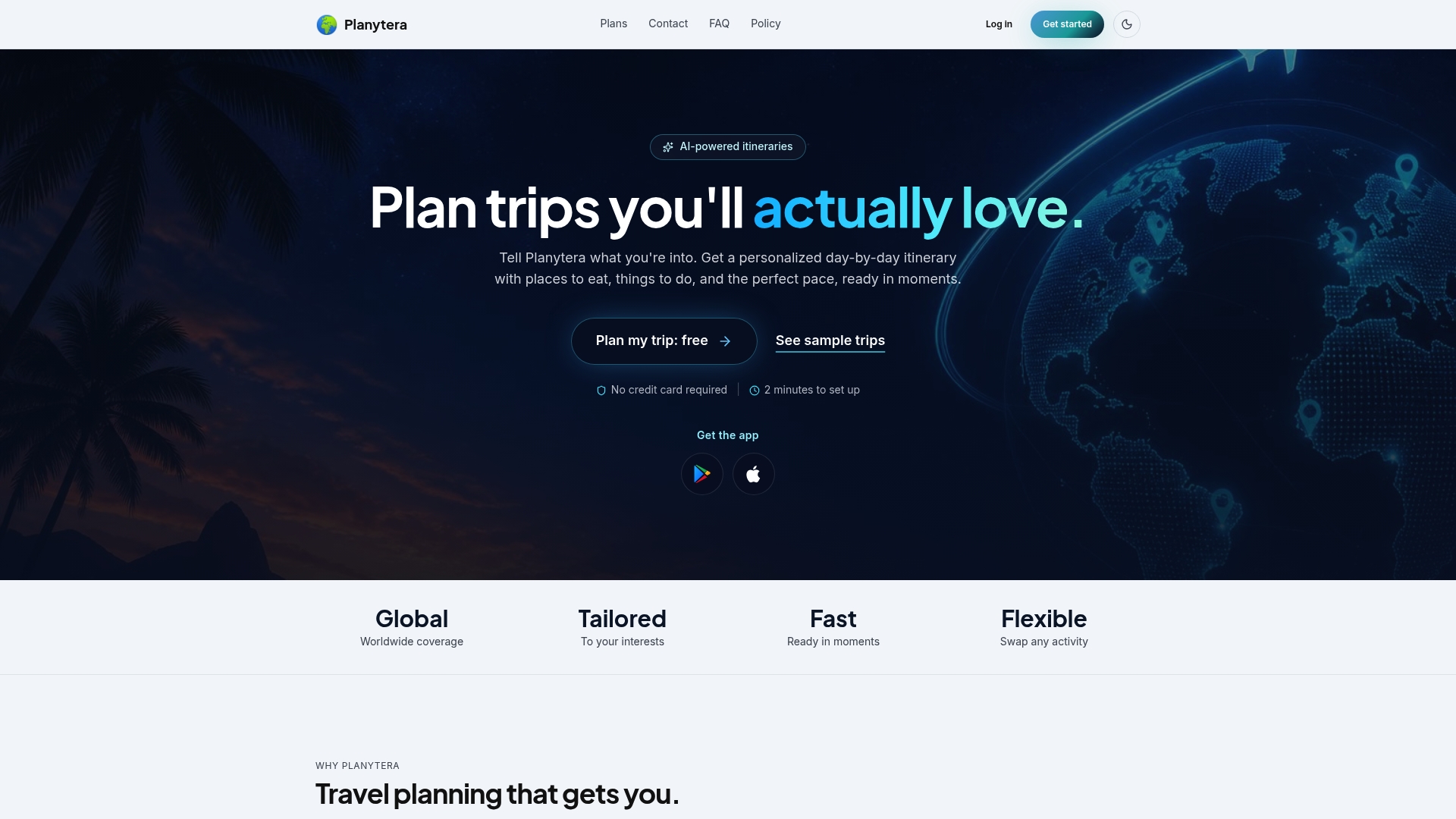
Tell Planytera your theme, your pace preference, your budget, and any dietary or mobility needs. It builds a personalized, day-by-day itinerary around those inputs, not a generic template. You can adjust any day on the fly, share the plan with your partner for collaborative edits, and access everything offline when you're in a canyon or a wine country valley with no signal. A built-in trip journal lets you capture memories as you go.
For couples who want a plan that actually reflects their relationship, not a copy-paste itinerary from a travel blog, start building your trip on Planytera and have a draft ready before you finish your coffee.
Useful Sources
The following sources informed the planning frameworks, theme examples, and pacing recommendations in this article:
- Rafa Queens: How to Build a Custom Travel Itinerary That Prioritizes Both Luxury and Peace of Mind — Expert framework on friction elimination, pacing structure (2–3 peaks, 30–40% unbooked time), and boutique accommodation advantages.
- DWD Travel: Romantic Europe Trip — Practical example of chaptered trip structure (city → lakeside → coast) and the value of alternating luxury and local stays.
- Contemporary Tours: The Rise of Themed and Experiential Group Travel — Context on why themed travel has become the default expectation for experience-focused travelers.
- Wayfairer Travel: The Ultimate Guide to Every Type of Honeymoon — Broad catalog of honeymoon subtypes showing the range of niche romantic trip styles couples choose from.
- Pelorus: The Odyssey Voyage — Illustrates how a tight thematic lens (myth, film, private access) shapes activity selection and pacing across a multi-day luxury experience.